Home
Services
Weekly Training And Nutrition Coaching
Bodybuilding Coaching
Dietetic Consultations
Single Consultation
Podcast
About
Blog
Enquire Now

The Bodybuilding Dietitians

Home
Services
Weekly Training And Nutrition Coaching
Bodybuilding Coaching
Dietetic Consultations
Single Consultation
Podcast
About
Blog
Enquire Now
blog banner.jpeg

Jack Radford-Smith
March 1, 2026

Scale Weight vs True Progress: Understanding Weekly Averages

Jack Radford-Smith
March 1, 2026

Learn why daily weight fluctuations are normal and how to interpret weekly averages for more accurate body composition tracking.

Comment
Jack Radford-Smith
February 25, 2026

Optimising Carbohydrates for Training, Recovery and Body Composition

Jack Radford-Smith
February 25, 2026

Learn how to plan carbohydrate intake based on training demands, fibre quality and daily distribution to support performance and body composition.

Comment
Jack Radford-Smith
February 23, 2026

Protein vs Calorie Density: Which Foods Deliver the Most Protein Per Calorie?

Jack Radford-Smith
February 23, 2026

Discover which foods provide the most protein relative to their calorie content. A practical guide to choosing high-protein, calorie-efficient foods.

Comment
Jack Radford-Smith
February 20, 2026

Is Your Metabolism Really Broken? Understanding Metabolic Adaptation

Jack Radford-Smith
February 20, 2026

Learn how metabolism adapts to energy intake and expenditure, and why fat loss plateaus are usually the result of physiological adjustment rather than permanent damage.

Comment
Jack Radford-Smith
February 19, 2026

Bodybuilding Off-Season Plan: Gaining Phases, Mini-Cuts and Pre-Prep Positioning

Jack Radford-Smith
February 19, 2026

Learn how to structure your bodybuilding off-season to maximise muscle gain and minimise unnecessary fat gain before contest prep.

Comment
Jack Radford-Smith
February 16, 2026

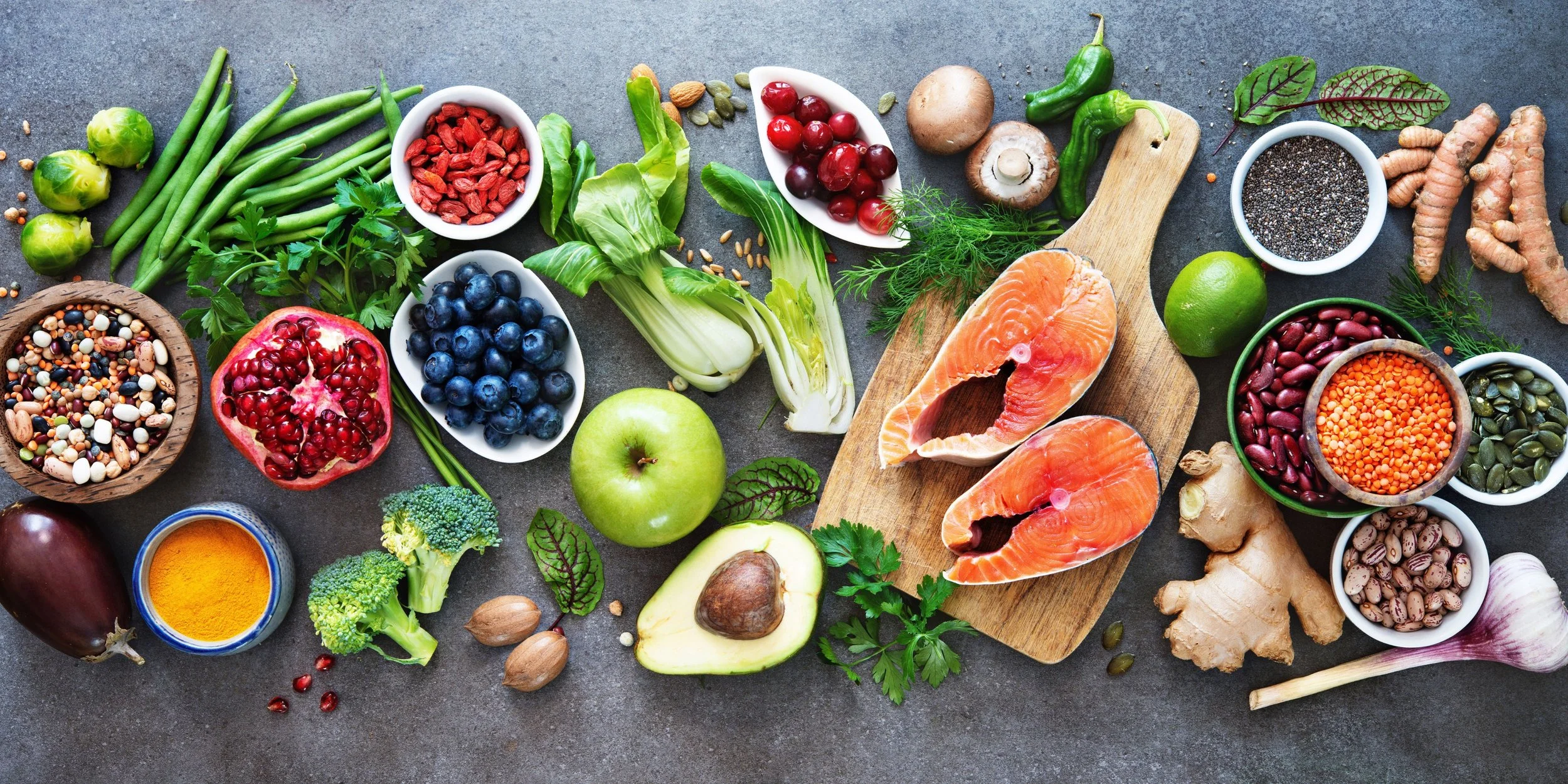
Best Foods for Iron, Zinc, Magnesium and Calcium

Jack Radford-Smith
February 16, 2026

Discover which foods provide the most iron, magnesium, zinc and calcium relative to their calorie content. A practical guide to nutrient density and smarter food selection.
Comment
Jack Radford-Smith
February 14, 2026

Best Foods to Keep You Full in a Calorie Deficit

Jack Radford-Smith
February 14, 2026

Learn how different foods influence hunger during fat loss. Discover how protein, fibre and energy density affect satiety and dietary adherence.

Comment
Jack Radford-Smith
February 11, 2026

Protein for Muscle Growth: Intake, Quality, and Distribution Explained

Jack Radford-Smith
February 11, 2026

Learn how much protein you actually need, which sources stimulate muscle protein synthesis best, and how to distribute intake for optimal results.

Comment
Jack Radford-Smith
February 9, 2026

High-Fibre Foods Ranked by Fibre and Calorie Density

Jack Radford-Smith
February 9, 2026

Fibre intake matters, but food choice matters more. See which foods offer the best fibre return for your calories.

Comment
Jack Radford-Smith
February 6, 2026

Not Everyone Is Ready to Compete: What Contest Prep Actually Demands

Jack Radford-Smith
February 6, 2026

Not everyone is ready to compete. Learn what contest prep actually demands, why competing too early backfires, and what foundations matter most.

Comment
Newer Posts
Older Posts
No results found
Featured
1.jpg
The Pre-Prep Phase: How to Set Up a Successful Contest Prep

A pre-prep phase is the 4 to 12 week block that sets up a successful contest prep. Here is what the phase is, why skipping it costs you the early weeks of prep, how to run one across body composition, systems, mindset, and health, and the few variables that should be left to shift once prep actually begins.

Read more →
SLEEP VARIABLES.jpg
How to Sleep Better | The Nine Factors Most Worth Addressing

Most sleep problems come down to a few everyday inputs. Here are nine factors that influence how well you sleep, from caffeine timing and evening light to room temperature, alcohol, and the truth about melatonin, with the mechanism behind each and how to decide which to address first.

Read more →
1.jpg
5 Nutrition Facts Worth Knowing: Protein, Grains, Hydration and More

Some nutrition ideas are repeated so often they harden into rules, even when the science is more nuanced. Here are five worth understanding properly: protein absorption beyond the 25g myth, what the processed meat cancer classification really means, why grains contain similar calories, how dietary fat aids vitamin absorption, and where hydration actually comes from.

Read more →
FIBRE X PROTEIN  CALS.jpg
The Best Food Groups for Protein and Fibre in a Calorie Budget

Protein and fibre per calorie is a different question to protein and fibre per 100 grams. Here is how major food groups compare once calorie budget is the actual constraint, why legumes earn a consistent place in a calorie-conscious diet, and how to build meals that cover both targets at once.

Read more →
BEING TOLD VS BEING COACHED.jpg
What Makes Coaching Different From Just Following a Plan

Anyone can hand you a plan and tell you to follow it. Coaching is a different skill. Here is what separates being told what to do from being coached through the process, and why the distinction is worth understanding whether you are looking for a coach or evaluating the one you already have.

Read more →
APPETITE VS HUNGER.jpg
Hunger vs Appetite: A Quick Test to Tell Them Apart

Hunger and appetite can feel identical in the moment. Here is the difference between them, a simple apple test you can run before you eat, and what to do with the answer, whether it points toward physical hunger or something else.

Read more →
GUIDE TO FISH OILS (1).jpg
Fish Oil vs Omega-3: How to Read a Label and Dose It Properly

Fish oil and omega-3 are not the same thing, which is where most of the confusion around supplements begins. Here is the difference between ALA, EPA, and DHA, how much omega-3 is worth aiming for, why the combined EPA + DHA figure on a label matters more than total fish oil, and what the cardiovascular and recovery evidence actually shows.

Read more →
1.jpg
Peak Week for Bodybuilders: The Errors That Cost Conditioning

Peak week is one of the least researched areas in physique sport, which is exactly why it is so easy to get wrong. Here are the physiological and psychological errors that most often undo a good prep in the final week, and the calm, tested approach that protects the conditioning you have already built.

Read more →
1.jpg
What Is a Mini-Cut? A Guide to Faster Fat Loss That Protects Muscle

A mini-cut is a short, more aggressive period of fat loss, usually two to eight weeks, whose main purpose is to extend a building phase rather than to get stage-lean. This guide covers what a mini-cut is, why the building-phase logic matters more than the fat-loss framing, how to set the deficit and protect training while you run it, and the practical considerations (calorie headroom, dieting experience, motivation, and a productive end point) that determine whether it is the right choice for you at all.

Read more →
NUTRIENT DENSITY.jpg
The Most Nutrient-Dense Foods Per Calorie: A Ranking Reference

Some foods deliver substantially more nutrition per calorie than others. A composite ranking of common foods based on their combined delivery of iron, calcium, magnesium, potassium, zinc, B12, folate, vitamin E, and fibre per 100 calories, plotted alongside protein per 100 calories so both physique-relevant and general-health density can be compared at once. Includes the specific caveats about absorption, serving size, and the limited nutrient panel that shape how the ranking should be interpreted, plus practical guidance on comparing foods within categories and identifying specific gaps in a current food rotation.

Read more →
1.jpg
Why Am I Not Building Muscle? Five Common Profiles Behind a Plateau

Plateaus are rarely caused by one variable in isolation. A typology of the five most common lifter archetypes when physique progress stalls: the Under-Fueller (training and nutrition quality high but energy intake low), the Overtrainer (excessive volume compromising recovery), the Chronic Dieter (too long in a deficit), the Junk-Volume Lifter (adequate volume but low training quality), and the Burnout Risk (everything covered except sleep). Each archetype has a specific limiter and a corresponding fix, and identifying which pattern applies matters more than adding new variables to optimise.

Read more →
FOOD VARIETY.jpg
Eat the Rainbow: What Each Colour Group of Plants Actually Delivers

Different coloured plants deliver different phytonutrients, micronutrients, and fibre types. A guide to what green (vitamin K, folate, lutein, sulforaphane), red/blue/purple (anthocyanins, lycopene, resveratrol), yellow/orange (beta-carotene, vitamin A, bioflavonoids), and white (allicin, quercetin, allium compounds) plants actually contribute nutritionally, and why building variety across the spectrum matters as much as the total volume of vegetables and fruits consumed.

Read more →
1.jpg
Are You Actually Ready for Contest Prep? A Readiness Framework Before You Commit

Wanting to compete and being ready to compete are not always the same thing. A structured framework for assessing your readiness across five dimensions before committing to a contest prep: physical readiness (muscle base and time), behavioural readiness (established fundamentals in training, nutrition, and sleep), psychological readiness (personally meaningful reason for competing plus stable relationship with body and food), relational readiness (communication with partner and family), and practical readiness (realistic understanding of what prep actually looks like day-to-day).

Read more →
Back to Top
Home
Services
Enquire Now
About
Podcast
Blog