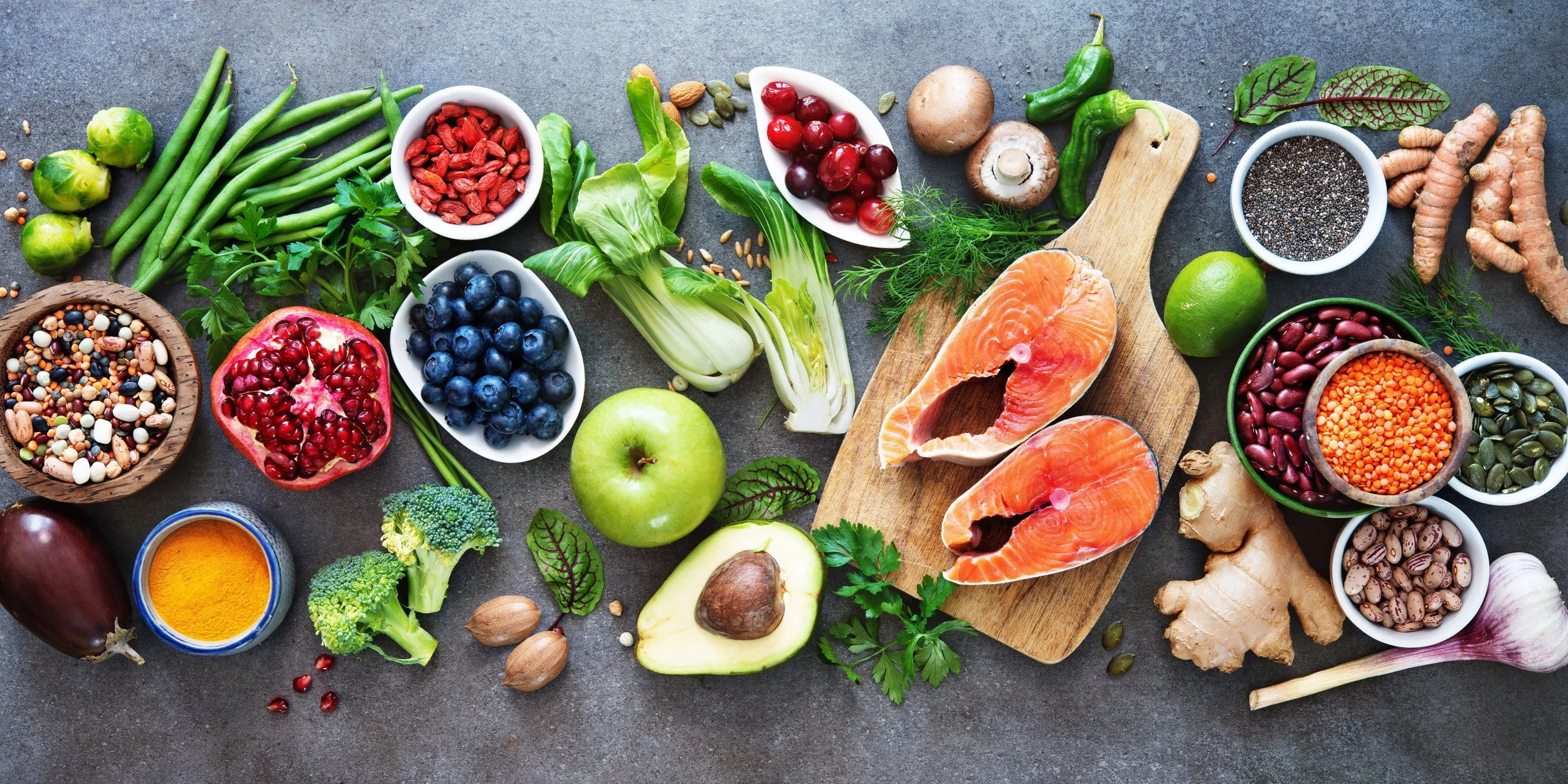
Some foods deliver substantially more nutrition per calorie than others. A composite ranking of common foods based on their combined delivery of iron, calcium, magnesium, potassium, zinc, B12, folate, vitamin E, and fibre per 100 calories, plotted alongside protein per 100 calories so both physique-relevant and general-health density can be compared at once. Includes the specific caveats about absorption, serving size, and the limited nutrient panel that shape how the ranking should be interpreted, plus practical guidance on comparing foods within categories and identifying specific gaps in a current food rotation.
Why Am I Not Building Muscle? Five Common Profiles Behind a Plateau
Plateaus are rarely caused by one variable in isolation. A typology of the five most common lifter archetypes when physique progress stalls: the Under-Fueller (training and nutrition quality high but energy intake low), the Overtrainer (excessive volume compromising recovery), the Chronic Dieter (too long in a deficit), the Junk-Volume Lifter (adequate volume but low training quality), and the Burnout Risk (everything covered except sleep). Each archetype has a specific limiter and a corresponding fix, and identifying which pattern applies matters more than adding new variables to optimise.
Eat the Rainbow: What Each Colour Group of Plants Actually Delivers
Different coloured plants deliver different phytonutrients, micronutrients, and fibre types. A guide to what green (vitamin K, folate, lutein, sulforaphane), red/blue/purple (anthocyanins, lycopene, resveratrol), yellow/orange (beta-carotene, vitamin A, bioflavonoids), and white (allicin, quercetin, allium compounds) plants actually contribute nutritionally, and why building variety across the spectrum matters as much as the total volume of vegetables and fruits consumed.
Are You Actually Ready for Contest Prep? A Readiness Framework Before You Commit
Wanting to compete and being ready to compete are not always the same thing. A structured framework for assessing your readiness across five dimensions before committing to a contest prep: physical readiness (muscle base and time), behavioural readiness (established fundamentals in training, nutrition, and sleep), psychological readiness (personally meaningful reason for competing plus stable relationship with body and food), relational readiness (communication with partner and family), and practical readiness (realistic understanding of what prep actually looks like day-to-day).
The Complete Guide to Caffeine: What It Does, How to Dose It, and How to Use It Well
Caffeine has one of the strongest evidence bases of any performance supplement, with consistent effects on training performance through central nervous system stimulation. A complete guide covering the adenosine receptor mechanism, the specific performance and cognitive benefits, dosing at 3 to 6 milligrams per kilogram of bodyweight, timing around training and sleep, individual response variation from genetic differences in caffeine metabolism, side effect management, and the coaching-level distinction between using caffeine to enhance well-supported training versus relying on it to make an under-recovered athlete feel ready to train.
Protein Quality Ranked: A Guide to Animal and Plant Protein Sources
Protein quality and protein content are two different things. A DIAAS reference for common animal and plant protein sources plotted against protein per calorie, covering what DIAAS actually measures, why animal proteins consistently score higher, why individual plant proteins score lower and how complementary combining addresses this, and when protein quality actually matters for lifters at different training and dieting contexts.
Seven Patterns Worth Auditing When Physique Progress Slows
Progress slowing rarely reflects a lack of effort. A diagnostic guide to the seven patterns that most commonly hold experienced physique athletes back, including macro-over-micro thinking, ignoring mental health and burnout signs, program hopping, chasing instant gratification, overlooking recovery, majoring in the minors, and prioritising supplements before nutrition. Includes the audit framework to identify which pattern is currently limiting your progress and the specific correction for each.
How to Build Muscle: The Four Priorities in Order of Importance
Muscle growth is simple in theory but often mis-prioritised in practice. A hierarchy of the four variables that drive muscle gain ranked by impact: adequate training stimulus, adequate nutrition (0.5 to 1 percent bodyweight gain per month, 1.6 to 2.2g protein per kilogram), adequate recovery (7 to 9 hours of sleep, structured rest days and deloads), and well-researched supplements (creatine, whey protein, caffeine). Why the order matters more than any single variable in isolation, and how to identify which level currently caps your progress.
Why Am I Hungry? The Hormones and Signals Behind Hunger and Appetite
Hunger and appetite are not the same thing. A walk through the four physiological systems that drive hunger (metabolic demand, gut hormones, leptin signalling from adipose tissue, and the mechanical state of digestion), the psychological and environmental drivers of appetite, how to distinguish the two in your own eating decisions, and why the distinction changes how you interpret cravings during fat loss, hunger during muscle gain, and the eating patterns you build during maintenance.
How to Time Your Supplements for Better Absorption: A Practical Guide
Taking a supplement and absorbing one are two different things. A practical guide to the specific pairings that enhance absorption (iron and vitamin C, fat-soluble vitamins and dietary fat, D3 and K2), the pairings that compete (iron and calcium, iron and coffee or tea, magnesium and zinc at high doses), and the common myths (creatine and caffeine, whey and creatine) that persist despite lacking evidence support.