Most sleep problems come down to a few everyday inputs. Here are nine factors that influence how well you sleep, from caffeine timing and evening light to room temperature, alcohol, and the truth about melatonin, with the mechanism behind each and how to decide which to address first.
5 Nutrition Facts Worth Knowing: Protein, Grains, Hydration and More
Some nutrition ideas are repeated so often they harden into rules, even when the science is more nuanced. Here are five worth understanding properly: protein absorption beyond the 25g myth, what the processed meat cancer classification really means, why grains contain similar calories, how dietary fat aids vitamin absorption, and where hydration actually comes from.
The Best Food Groups for Protein and Fibre in a Calorie Budget
What Makes Coaching Different From Just Following a Plan
Hunger vs Appetite: A Quick Test to Tell Them Apart
Fish Oil vs Omega-3: How to Read a Label and Dose It Properly
Fish oil and omega-3 are not the same thing, which is where most of the confusion around supplements begins. Here is the difference between ALA, EPA, and DHA, how much omega-3 is worth aiming for, why the combined EPA + DHA figure on a label matters more than total fish oil, and what the cardiovascular and recovery evidence actually shows.
Peak Week for Bodybuilders: The Errors That Cost Conditioning
Peak week is one of the least researched areas in physique sport, which is exactly why it is so easy to get wrong. Here are the physiological and psychological errors that most often undo a good prep in the final week, and the calm, tested approach that protects the conditioning you have already built.
What Is a Mini-Cut? A Guide to Faster Fat Loss That Protects Muscle
A mini-cut is a short, more aggressive period of fat loss, usually two to eight weeks, whose main purpose is to extend a building phase rather than to get stage-lean. This guide covers what a mini-cut is, why the building-phase logic matters more than the fat-loss framing, how to set the deficit and protect training while you run it, and the practical considerations (calorie headroom, dieting experience, motivation, and a productive end point) that determine whether it is the right choice for you at all.
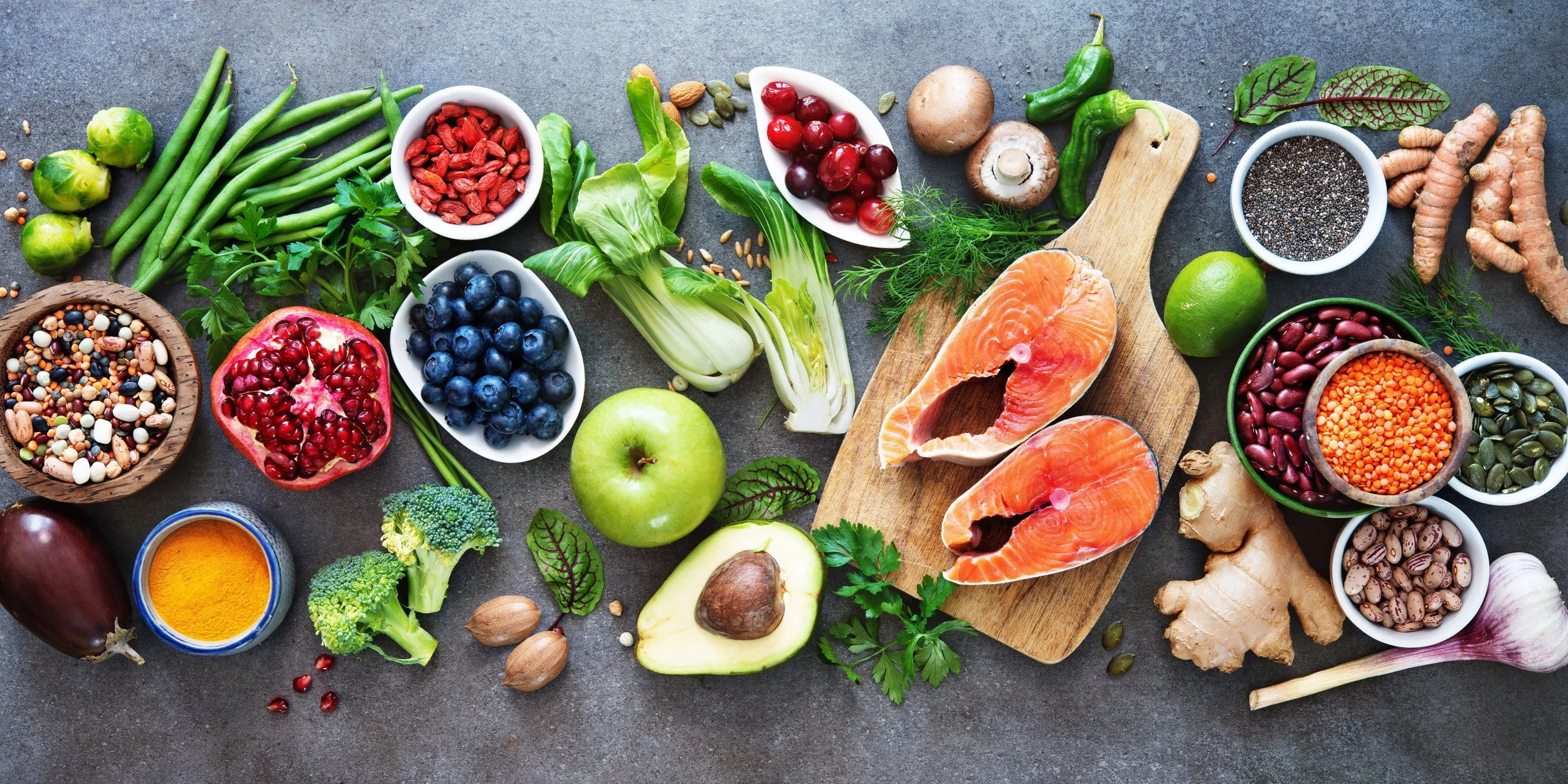
The Most Nutrient-Dense Foods Per Calorie: A Ranking Reference
Some foods deliver substantially more nutrition per calorie than others. A composite ranking of common foods based on their combined delivery of iron, calcium, magnesium, potassium, zinc, B12, folate, vitamin E, and fibre per 100 calories, plotted alongside protein per 100 calories so both physique-relevant and general-health density can be compared at once. Includes the specific caveats about absorption, serving size, and the limited nutrient panel that shape how the ranking should be interpreted, plus practical guidance on comparing foods within categories and identifying specific gaps in a current food rotation.
Why Am I Not Building Muscle? Five Common Profiles Behind a Plateau
Plateaus are rarely caused by one variable in isolation. A typology of the five most common lifter archetypes when physique progress stalls: the Under-Fueller (training and nutrition quality high but energy intake low), the Overtrainer (excessive volume compromising recovery), the Chronic Dieter (too long in a deficit), the Junk-Volume Lifter (adequate volume but low training quality), and the Burnout Risk (everything covered except sleep). Each archetype has a specific limiter and a corresponding fix, and identifying which pattern applies matters more than adding new variables to optimise.