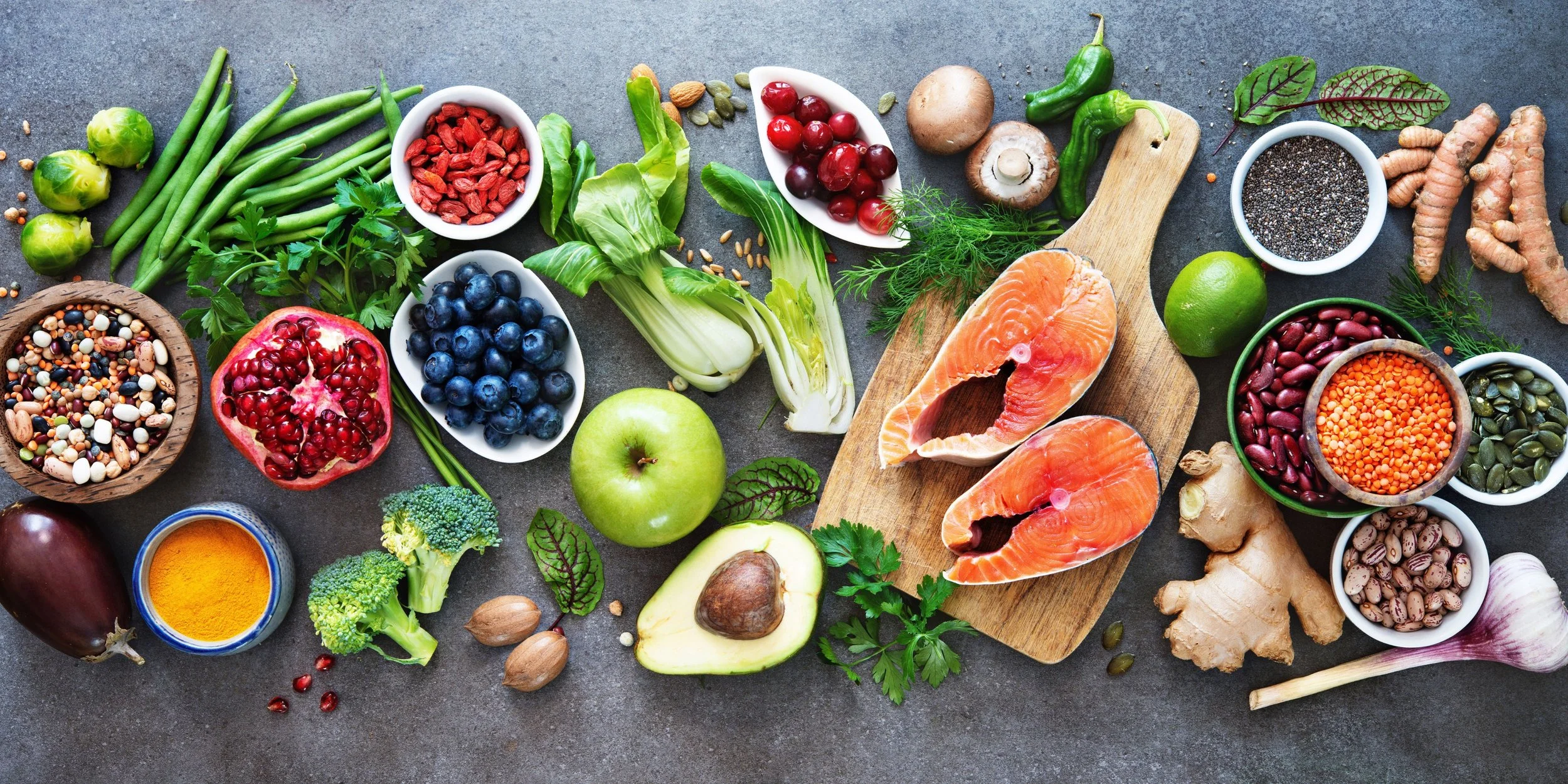
Bowel cancer incidence has been rising in adults under 50 for two decades. A dietitian walks through what current evidence suggests is driving the shift, and the practical dietary and lifestyle habits that consistently show up as protective across large prospective studies, from fibre and processed meat intake to body composition, physical activity, and alcohol consumption.
Which Supplements Are Worth Your Money? Creatine, Caffeine, and Everything Else
Creatine monohydrate and caffeine are the two supplements with the most consistent evidence for improving training performance. A guide to what each does, how to dose and time them, how to manage sleep and caffeine tolerance, and how to structure them within a broader supplement approach for serious lifters.
Do BCAA Supplements Work? A Dietitian Compares BCAAs, EAAs, and Whey
BCAAs stimulate muscle protein synthesis, but the response sits below what complete protein sources produce. A dietitian compares BCAAs, EAAs, and whey protein isolate on amino acid profile, muscle protein synthesis response, and practical value, with a framework for deciding which (if any) belongs in your supplement stack.
Can You Build Muscle and Lose Fat at the Same Time?
How Aggressive Should Your Calorie Deficit Be? A Dietitian's Guide
Calorie intake and energy availability are two different measurements. A dietitian explains the difference, the 30 and 45 kcal/kg FFM/day thresholds, and how to apply the framework to fat loss, contest prep, and improvement seasons without either underestimating the deficit or accumulating unnecessary physiological cost.
Why Your Macro Tracking Could Be Off by 300 Calories a Day
How Much Protein Can You Absorb in One Meal? A Dietitian Explains
Protein does not simply become muscle. A dietitian explains the full metabolic pathway from digestion through the amino acid pool to muscle protein synthesis, energy production, and nitrogen waste, with practical implications for daily intake, distribution, and the persistent 20 to 30 gram per meal myth.