Gut health is the product of multiple inputs working together. A dietitian explains the eight dietary, lifestyle, and environmental variables that shape digestive function and microbiome composition, ranked by the strength and consistency of the evidence behind each one.
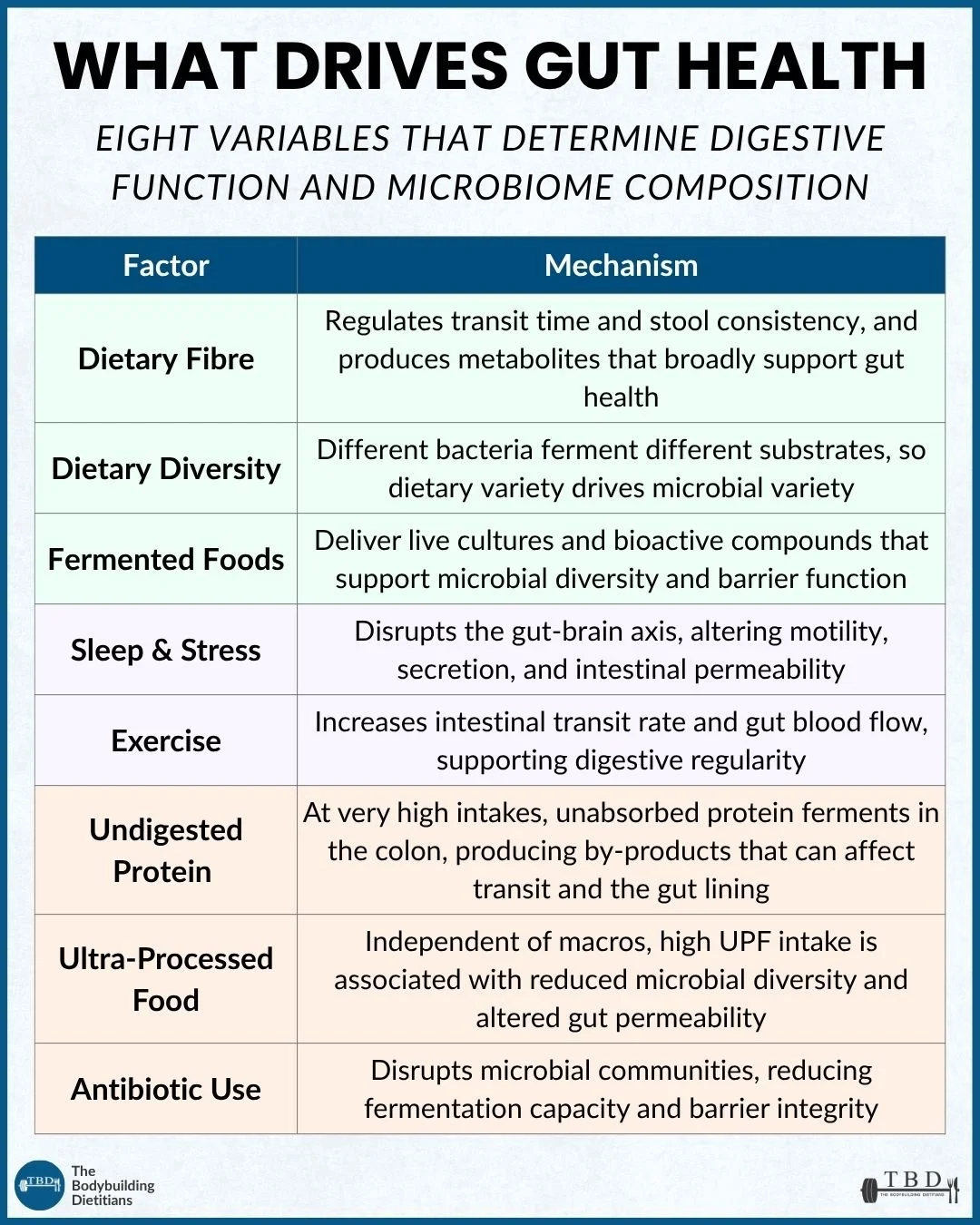
Gut health is shaped by eight primary variables: dietary fibre intake, dietary diversity, fermented food consumption, sleep quality, stress levels, exercise habits, ultra-processed food proportion, and antibiotic exposure. Dietary fibre and food diversity have the largest and most consistent effects on microbiome composition and digestive function, followed by fermented foods and lifestyle factors including sleep, stress, and physical activity. Ultra-processed food intake affects microbial diversity and intestinal permeability partly independently of macronutrient content, and antibiotic use can significantly reduce microbial diversity in the short term. Supplement-based approaches receive disproportionate attention relative to these foundational inputs, which tend to produce broader and more sustained improvements when addressed first.
The gut microbiome is the community of trillions of bacteria, fungi, and other microorganisms living primarily in the large intestine. It influences far more than digestion. Microbial composition affects immune regulation, inflammatory tone, nutrient absorption, appetite signalling, and the amount of energy the body extracts from food. People with persistent digestive complaints often also report inconsistent energy levels, mood fluctuations, and recovery that lags behind their training, and these tend to improve together when the underlying inputs are addressed in the right order.
Supplements receive a disproportionate share of attention in the gut health space, and the supplement category has grown considerably faster than the evidence supporting its use in otherwise healthy individuals. The eight variables covered in this article have a larger and more consistent evidence base for improving digestive function and microbial composition than any single supplement, and they form the foundation that supplement-based strategies depend on to be effective.
Why Is Dietary Fibre the Most Important Factor for Gut Health?
Dietary fibre is the single most influential dietary variable for gut health because it simultaneously supports transit, stool consistency, and the production of metabolites that maintain the gut lining and feed beneficial bacteria.
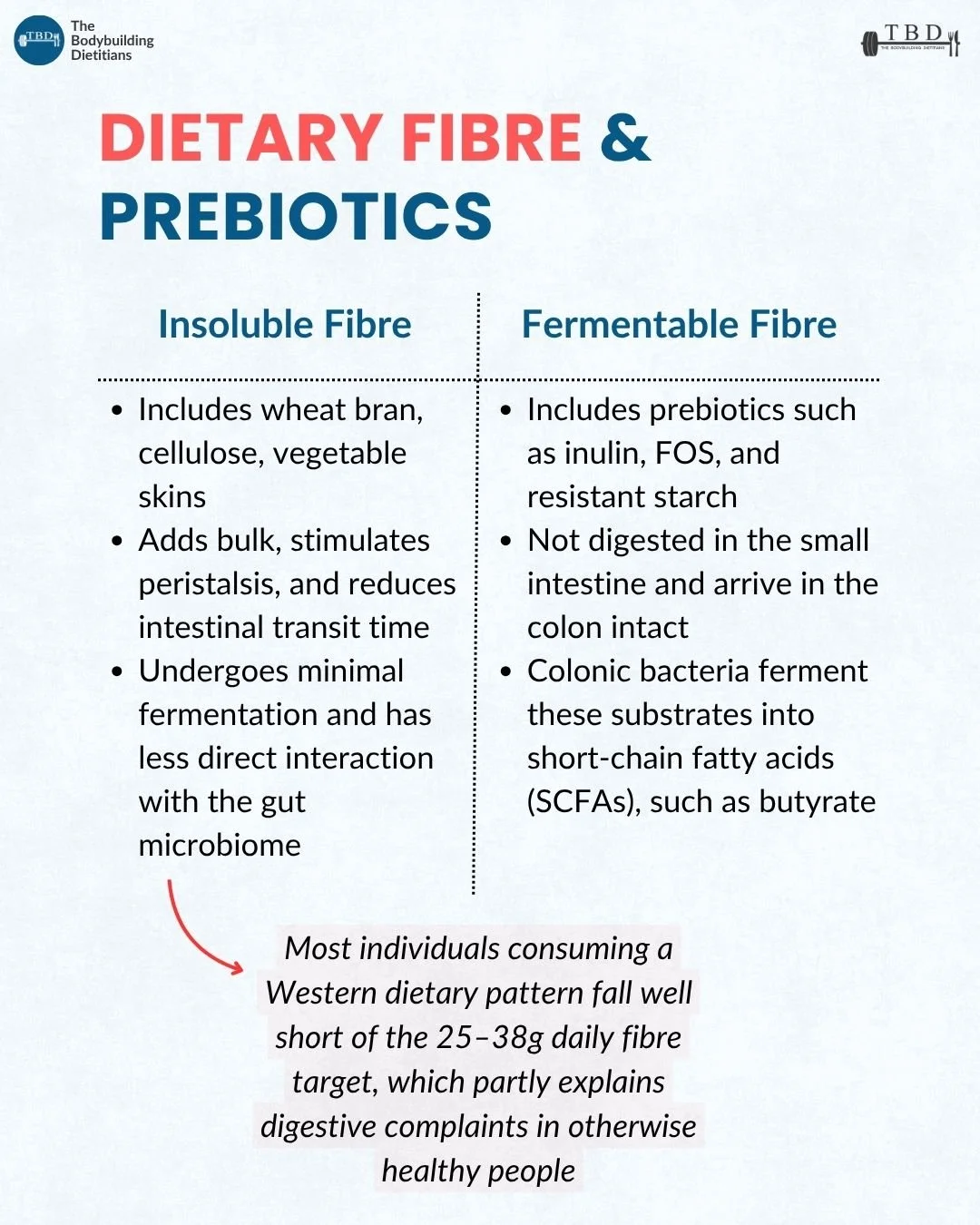
Fibre operates through two broad categories, each with distinct functions. Insoluble fibre, found in wheat bran, cellulose, vegetable skins, and the structural components of whole grains, adds bulk to stool, stimulates peristalsis, and reduces intestinal transit time. It undergoes minimal fermentation and has less direct interaction with the gut microbiome, but its role in maintaining regular bowel movements is well established.
Fermentable fibre serves a different function. Prebiotics such as inulin, fructo-oligosaccharides (FOS), and resistant starch pass through the small intestine undigested and arrive in the colon intact, where colonic bacteria ferment them into short-chain fatty acids (SCFAs). Short-chain fatty acids are metabolites produced by bacterial fermentation of dietary fibre in the colon, and they include acetate, propionate, and butyrate. Butyrate is the primary energy source for colonocytes (the cells lining the colon) and plays a central role in maintaining the intestinal barrier, modulating local immune responses, and regulating inflammation.
Most individuals consuming a Western dietary pattern fall well short of the 25 to 38 gram daily fibre target, which partly explains the prevalence of digestive complaints in otherwise healthy people. For lifters and physique athletes, fibre intake can become especially relevant during fat loss phases when total food volume decreases and food variety tends to narrow. Ensuring adequate fibre from a range of sources, including vegetables, legumes, whole grains, and fruit, supports both digestive function and satiety across a dieting phase.
Sources high in fermentable fibre include oats, legumes (lentils, chickpeas, kidney beans), garlic, onion, leek, asparagus, slightly underripe bananas, and cooked and cooled potatoes and rice (which form resistant starch). Sources rich in insoluble fibre include wheat bran, the skins and stalks of vegetables, nuts, and seeds. A diet that includes both types in adequate quantities produces a broader range of SCFAs and supports both transit and microbiome composition simultaneously.
For a detailed ranking of high fibre foods by fibre and calorie content, the high fibre foods ranked guide covers this in more depth.
How Does Dietary Diversity Influence the Microbiome?
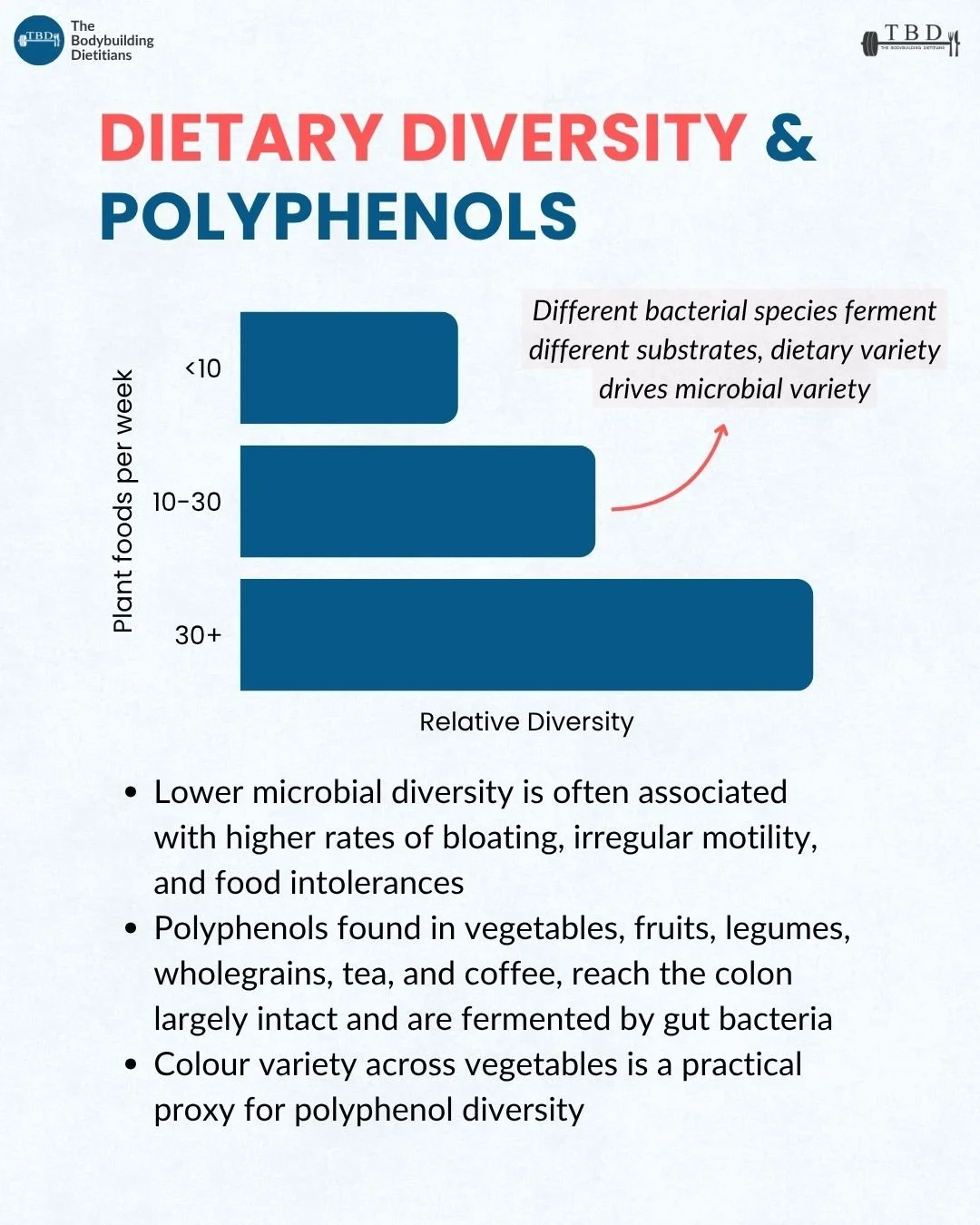
Different bacterial species ferment different substrates, so the variety of foods consumed directly shapes the variety of microbes the gut can sustain. Greater dietary diversity, particularly from plant foods, is consistently associated with greater microbial diversity.
The American Gut Project, one of the largest citizen science microbiome studies conducted to date, found that individuals who consumed 30 or more distinct plant foods per week had significantly greater microbial diversity than those consuming fewer than 10. The effect was robust across populations and independent of total calorie intake.
Data from the American Gut Project showed that individuals consuming 30 or more distinct plant foods per week had greater microbial diversity and a higher abundance of short-chain fatty acid producing bacteria compared to those consuming fewer than 10 plant foods per week. Source: McDonald et al., 2018, mSystems, 3(3):e00031-18.
"Plant foods" in this context includes vegetables, fruits, legumes, whole grains, nuts, seeds, herbs, and spices, so reaching 30 per week is more achievable than it might sound. A single stir-fry with five different vegetables, garlic, ginger, sesame seeds, and a grain base already contributes substantially toward the weekly target.
Polyphenols add another dimension to the diversity picture. These plant compounds, found in coloured vegetables, fruits, legumes, wholegrains, tea, coffee, and cocoa, reach the colon largely intact and are fermented by gut bacteria. Polyphenol fermentation supports microbial diversity and produces bioactive metabolites with anti-inflammatory properties. Colour variety across vegetables and fruits is a practical proxy for polyphenol diversity: a diet built around a narrow range of colours provides a narrower range of polyphenol substrates for bacterial fermentation.
Lower microbial diversity is associated with higher rates of bloating, irregular motility, and food intolerances, which is relevant for lifters who may develop digestive complaints during phases of restricted eating where food variety drops. In coaching settings, a common pattern is digestive function declining during contest prep or aggressive fat loss phases, and one contributing factor is the narrowing of food selection that often accompanies calorie restriction.
What Role Do Fermented Foods Play in Gut Health?
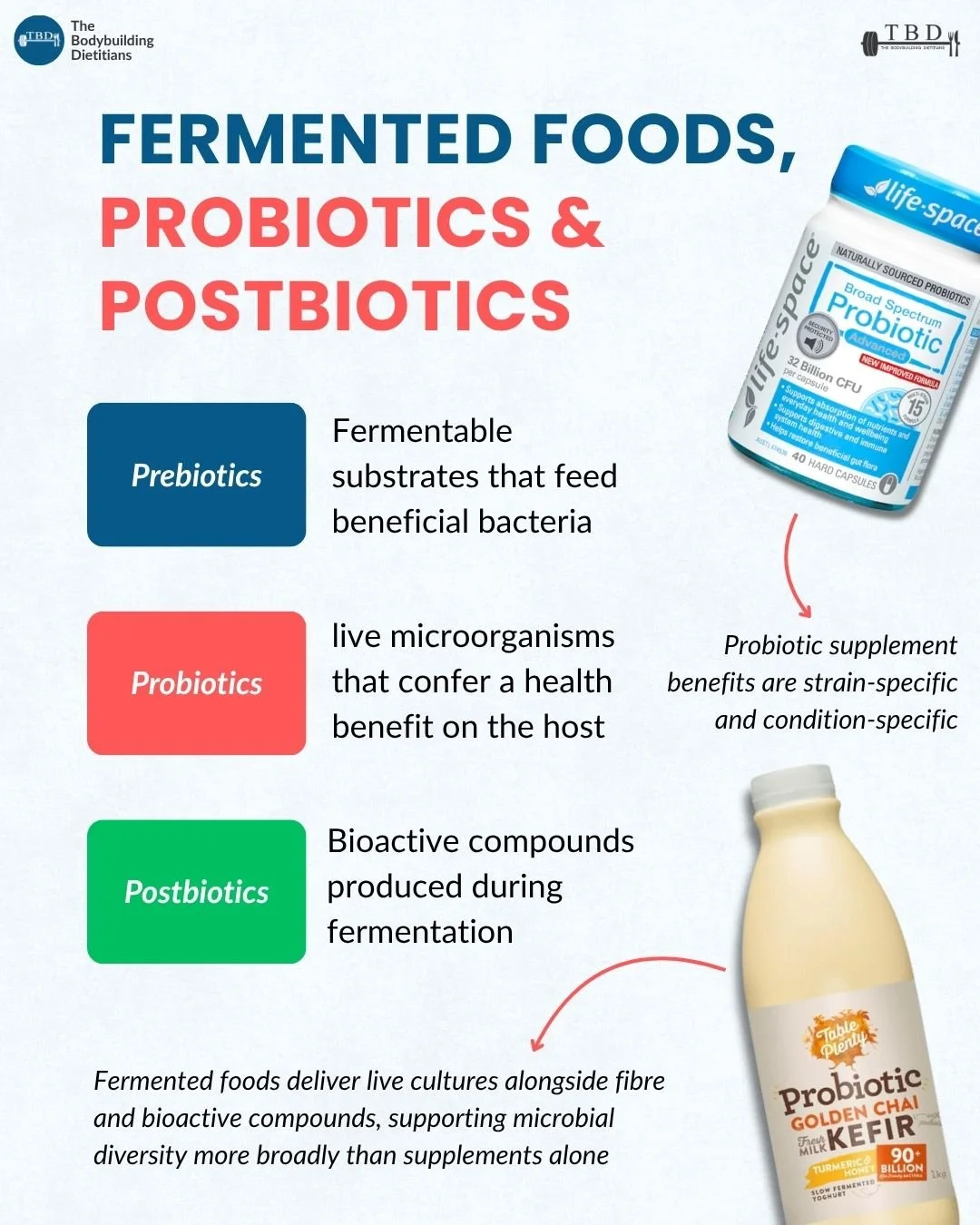
Fermented foods deliver live cultures alongside fibre, polyphenols, and bioactive compounds, supporting microbial diversity more broadly than isolated supplement approaches.
Understanding the distinction between prebiotics, probiotics, and postbiotics helps clarify how fermented foods contribute. Prebiotics are fermentable substrates (certain types of dietary fibre) that feed beneficial bacteria. Probiotics are live microorganisms that, when consumed in adequate amounts, confer a health benefit on the host. Postbiotics are the bioactive compounds produced during the fermentation process itself, including organic acids, peptides, and enzymes.
Fermented foods such as yoghurt, kefir, kimchi, sauerkraut, miso, and kombucha deliver all three components together, which is one reason they tend to produce broader effects on microbial diversity than isolated probiotic supplements. A 10-week clinical trial at Stanford University found that participants consuming a diet high in fermented foods showed increased gut microbial diversity and reduced markers of inflammation, including several inflammatory cytokines.
A 10-week randomised dietary intervention found that a diet high in fermented foods increased gut microbial diversity and decreased inflammatory markers in healthy adults, with stronger effects from larger servings. A high-fibre diet alone did not produce the same increase in microbial diversity over the same period. Source: Wastyk et al., 2021, Cell, 184(16):4137-4153.e14.
Probiotic supplements occupy a different space. Their benefits are strain-specific and condition-specific, with the strongest evidence in targeted clinical situations such as post-antibiotic recovery, irritable bowel syndrome management, and prevention of antibiotic-associated diarrhoea. For otherwise healthy individuals, a daily serving of fermented food typically provides broader microbial support than a general-purpose probiotic capsule, because the food matrix delivers prebiotics and postbiotics alongside the live cultures, and the microbial species present tend to be more diverse than those in a single-strain or multi-strain supplement.
This does not mean probiotic supplements are without value. In specific clinical contexts, particularly following antibiotic use, strains from the Lactobacillus and Bifidobacterium genera have consistent evidence supporting recovery. The practical point is that fermented food consumption addresses a broader set of gut health inputs simultaneously, making it a more useful daily habit for most people, while probiotic supplementation is better understood as a targeted tool for specific situations.
How Does High Protein Intake Affect Digestive Function?
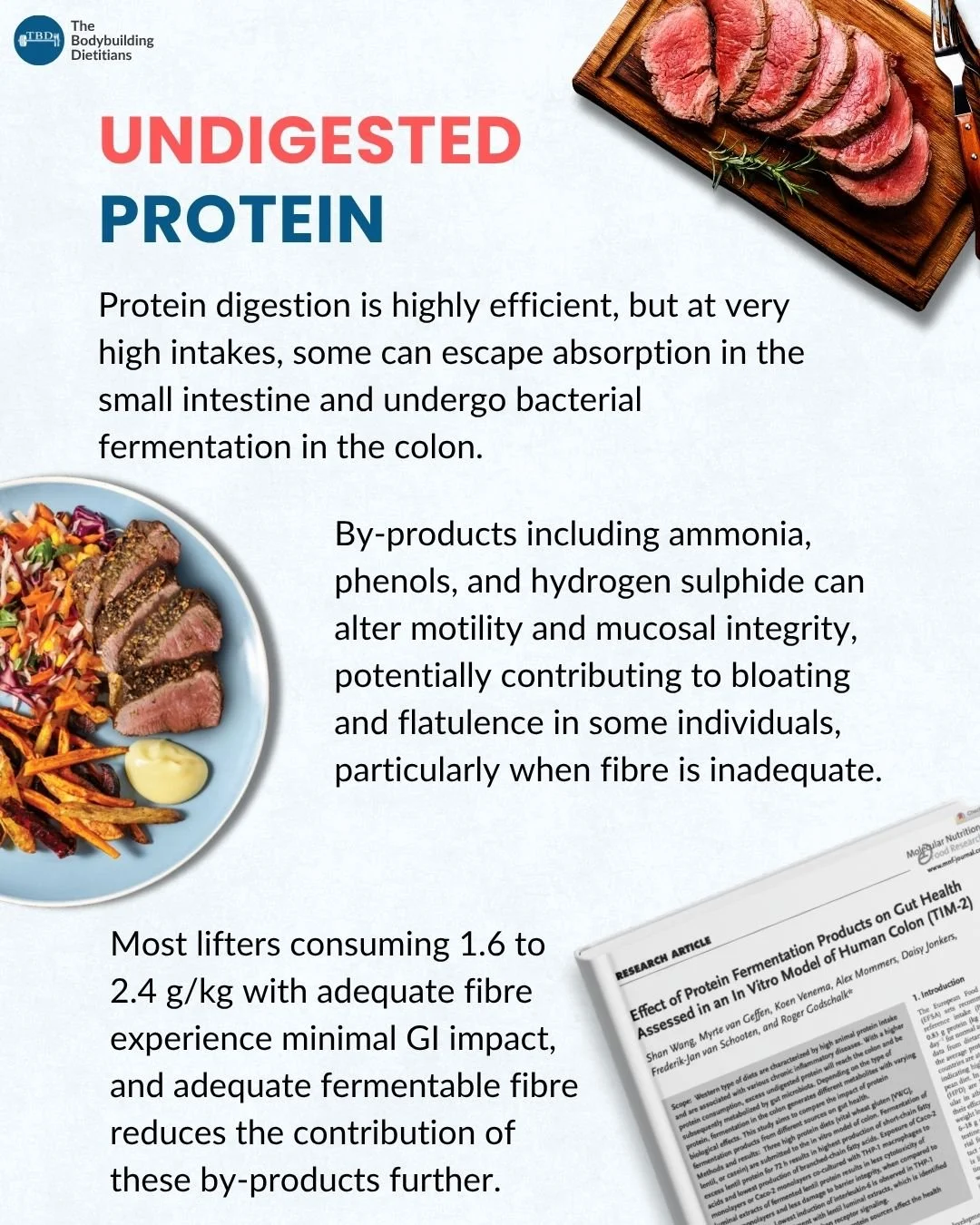
Protein digestion is highly efficient, and at standard to moderately elevated intakes the vast majority of dietary protein is absorbed in the small intestine with minimal colonic involvement.
At very high protein intakes, some protein can escape absorption in the small intestine and reach the colon, where it undergoes bacterial fermentation. The by-products of protein fermentation differ from those of fibre fermentation: they include ammonia, phenols, hydrogen sulphide, and branched-chain fatty acids, which can alter motility and mucosal integrity. In some individuals, particularly when fibre intake is low, this can contribute to bloating, flatulence, and changes in stool consistency.
In vitro modelling using the TIM-2 colon system showed that high-protein diets produced higher levels of protein fermentation by-products including branched-chain fatty acids, with effects varying by protein source. Lentil protein produced more favourable fermentation profiles (higher SCFA, lower cytotoxicity) compared to wheat gluten and casein. Source: Wang et al., 2023, Molecular Nutrition and Food Research, 67(9):2200574.
The practical relevance for lifters is that protein intakes in the range of 1.6 to 2.4 grams per kilogram of bodyweight per day, which is the standard target range for resistance-trained individuals, are well within the digestive system's capacity when combined with adequate fibre. Digestive symptoms tend to emerge predominantly at very high intakes consumed with inadequate fibre and limited dietary variety. Adequate fermentable fibre intake reduces the contribution of harmful protein fermentation by-products by providing the preferred substrate for colonic bacteria, shifting the fermentation balance toward SCFA production.
For anyone experiencing digestive discomfort alongside high protein intake, fibre adequacy and protein source diversity are typically more productive areas to adjust than the protein target itself. Including a range of protein sources (poultry, fish, eggs, dairy, legumes, tofu) rather than relying heavily on a single source also contributes to dietary diversity, which supports microbial variety as discussed above.
How Do Ultra-Processed Foods Affect the Gut?
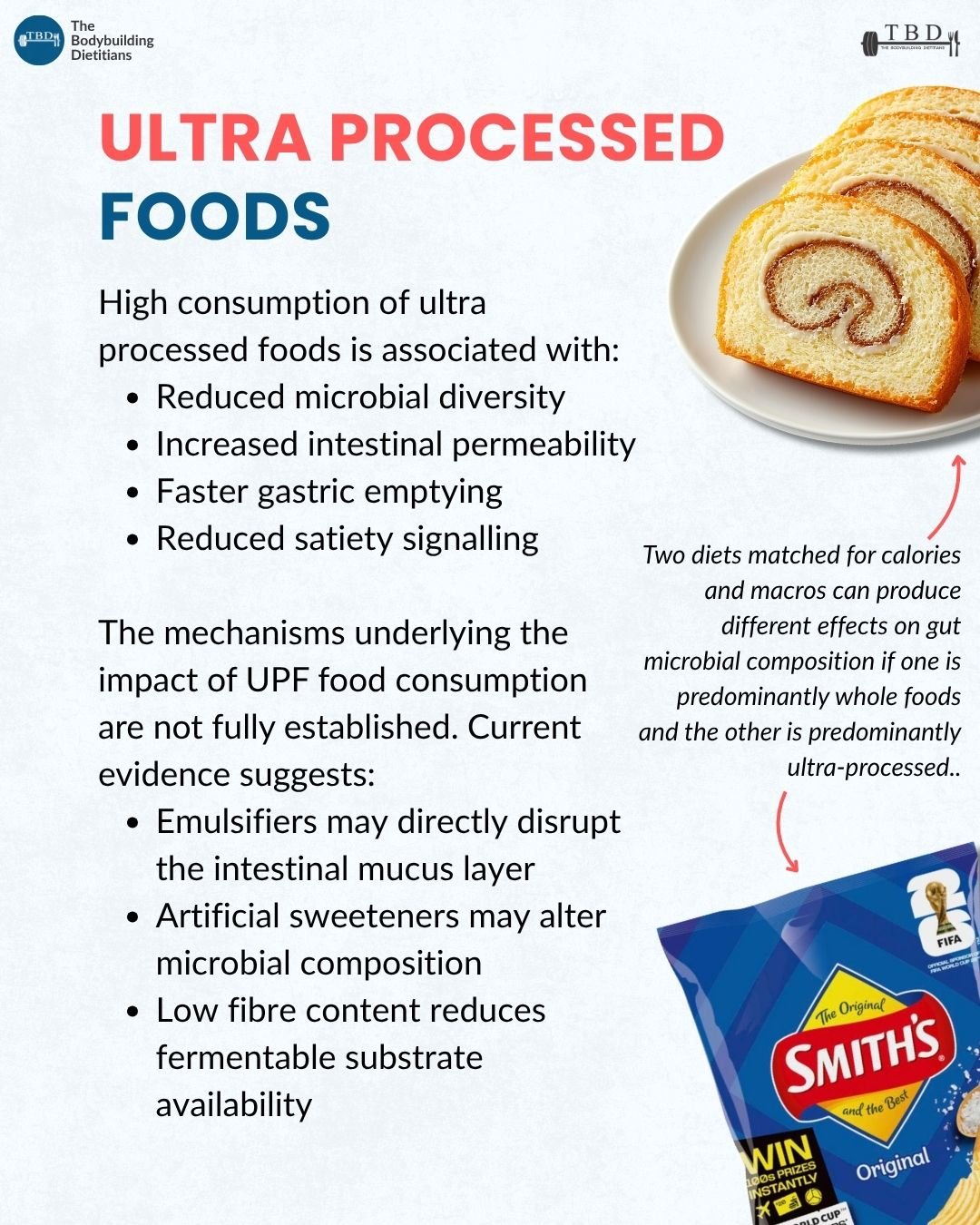
High ultra-processed food consumption is associated with reduced microbial diversity, increased intestinal permeability, faster gastric emptying, and reduced satiety signalling, and these effects appear partly independent of calorie and macronutrient composition.
This is a particularly important point for physique athletes and macro-focused lifters: two diets matched for total calories, protein, carbohydrate, and fat can produce different effects on gut microbial composition if one draws predominantly from whole foods and the other from ultra-processed sources. The downstream consequences compound over months and years, because microbial diversity influences immune regulation, inflammation, nutrient absorption, and appetite signalling in ways that calorie and macronutrient matching alone does not capture.
The mechanisms underlying these effects are still being characterised, but current evidence points to several pathways. Emulsifiers (common in processed baked goods, sauces, and confectionery) may directly disrupt the intestinal mucus layer that separates gut bacteria from the epithelial lining. Certain artificial sweeteners appear to alter microbial composition, though the magnitude and clinical significance of this effect remain under investigation. The low fibre content typical of ultra-processed foods reduces the availability of fermentable substrate for beneficial bacteria, which lowers SCFA production and weakens the gut barrier over time.
For a more detailed explanation of how the NOVA classification separates minimally processed, processed, and ultra-processed foods, the four-tier food processing classification guide covers the framework in full.
The practical implication is that food quality, as measured by the proportion of the diet coming from whole and minimally processed sources, affects gut health through pathways that operate alongside and partly independently of macronutrient targets. Hitting macro targets through predominantly whole food sources produces a different internal environment than hitting the same targets through ultra-processed alternatives, and the gut microbiome is one of the clearest places where that difference shows up.
How Do Sleep, Stress, and Exercise Shape Digestive Health?
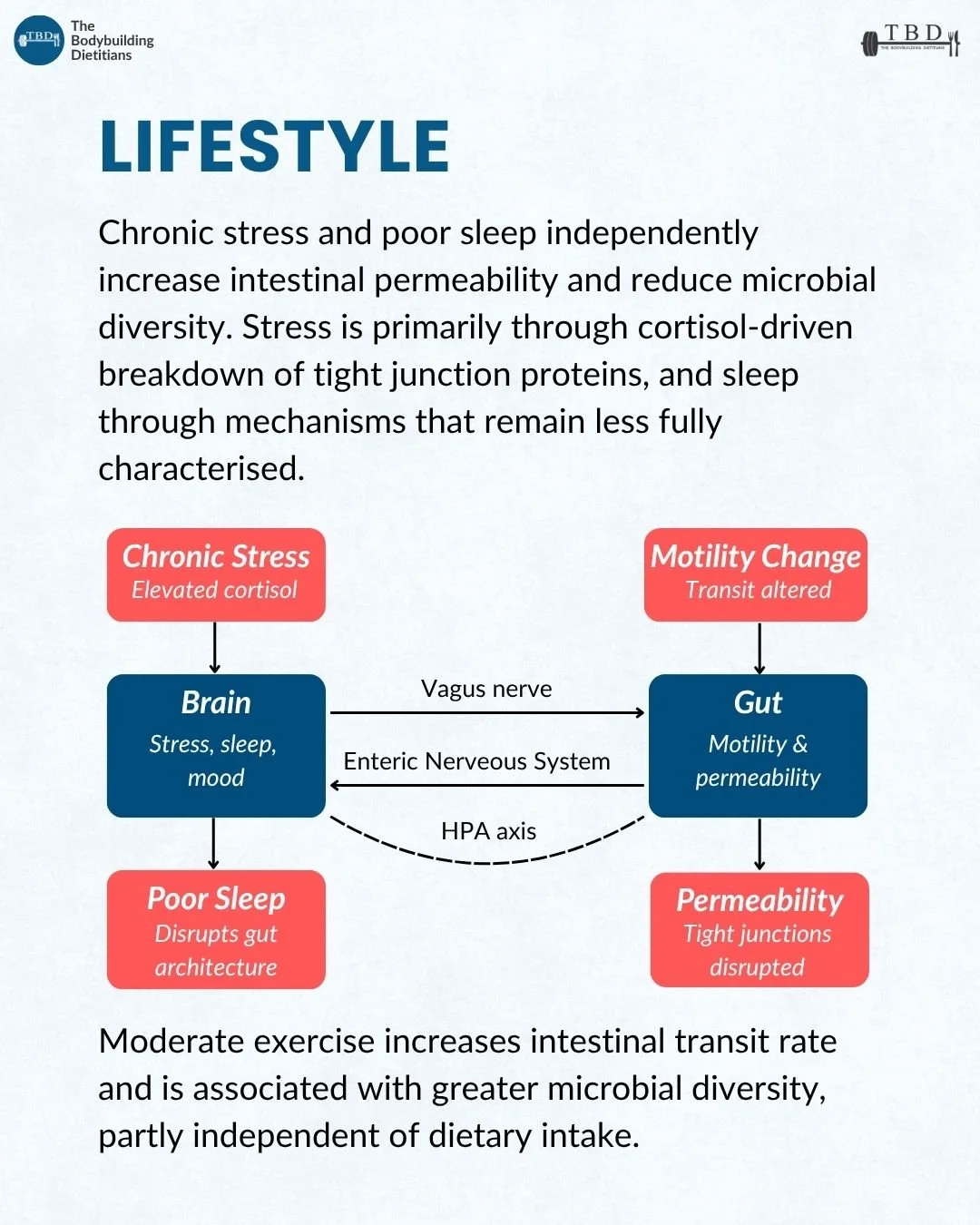
Chronic stress and poor sleep independently increase intestinal permeability and reduce microbial diversity, while regular exercise supports transit and microbial composition through partly independent mechanisms.
The gut-brain axis is the bidirectional communication pathway between the central nervous system and the enteric nervous system (the network of neurons embedded in the gut wall). This connection operates through the vagus nerve and the hypothalamic-pituitary-adrenal (HPA) axis, which means that what happens in the brain meaningfully affects what happens in the gut, and vice versa.
Chronic stress increases circulating cortisol, which promotes the breakdown of tight junction proteins that maintain the integrity of the intestinal barrier. When tight junctions are compromised, intestinal permeability increases, allowing bacterial products and partially digested food particles to cross the gut lining and trigger low-grade systemic inflammation. Poor sleep affects the gut through mechanisms that remain less fully characterised, but observational data consistently link short or disrupted sleep with reduced microbial diversity and altered gut architecture.
For physique athletes, this has direct practical relevance during contest prep, where caloric restriction, training stress, and disrupted sleep frequently converge. Digestive complaints during prep, including bloating, irregular motility, and increased food intolerances, are common, and the combination of elevated cortisol and reduced sleep quality during these phases is a contributing factor alongside dietary changes.
Exercise exerts a positive and partly independent effect on gut health. Regular moderate exercise increases intestinal transit rate, supports gut blood flow, and is associated with greater microbial diversity. Cross-sectional data from professional athletes show greater microbial diversity and enhanced functional metabolic capacity compared to sedentary controls, even after adjusting for dietary differences.
Metagenomic analysis of professional rugby athletes showed significantly greater microbial diversity and enrichment of metabolic pathways related to amino acid and carbohydrate metabolism, as well as greater faecal short-chain fatty acid concentrations, compared to sedentary age-matched controls. Source: Barton et al., 2018, Gut, 67:625-633.
The combined implication is that sleep quality, stress management, and regular exercise each contribute to gut health through mechanisms that dietary interventions alone cannot fully replicate. For athletes who are already training regularly, sleep and stress management are typically the lifestyle variables with the most room for improvement, particularly during demanding training or dieting phases.
What Happens to the Microbiome After Antibiotic Use?
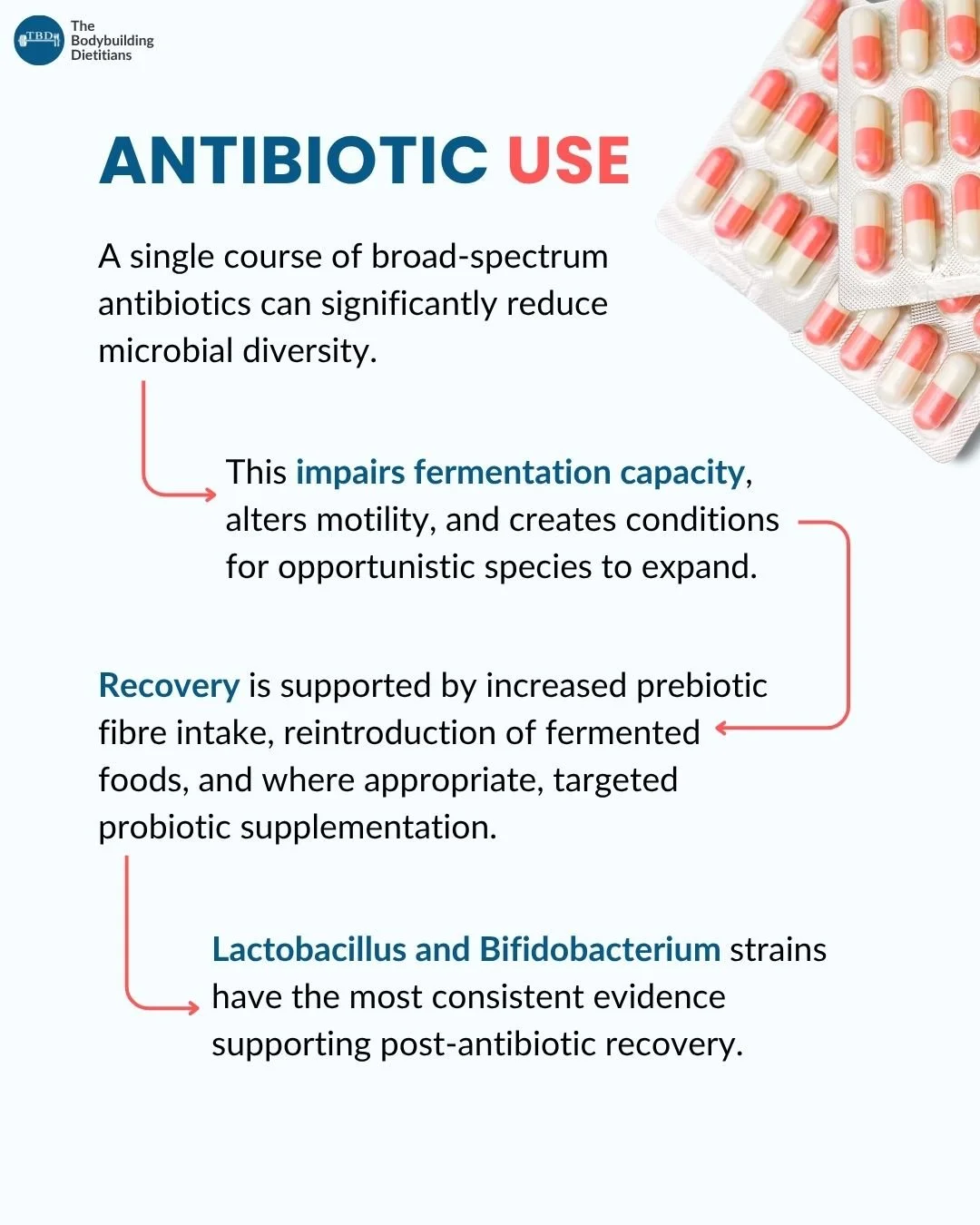
A single course of broad-spectrum antibiotics can significantly reduce microbial diversity by disrupting established microbial communities, reducing fermentation capacity, and creating conditions for opportunistic species to expand.
Antibiotics are indiscriminate in their antimicrobial activity, which means they reduce beneficial bacteria alongside the pathogens they are prescribed to target. The resulting reduction in microbial diversity impairs fermentation capacity (because fewer bacterial species are available to ferment dietary fibre), alters motility, and can weaken barrier integrity. Recovery timelines vary, but research suggests that some aspects of microbial composition can take weeks to months to return to pre-antibiotic levels, and in some cases certain species may not fully recover without deliberate dietary support.
Recovery after antibiotic use is best supported through a combination of increased prebiotic fibre intake (to provide substrate for recovering bacterial populations), reintroduction or increased consumption of fermented foods (to introduce live cultures back into the gut), and where appropriate, targeted probiotic supplementation. Strains from the Lactobacillus and Bifidobacterium genera have the most consistent evidence supporting post-antibiotic microbial recovery, though the evidence is strain-specific and the optimal protocol depends on the antibiotic used, the duration of the course, and the individual's baseline microbial profile.
For lifters who require antibiotics during a training block or contest prep, prioritising fermented food intake and fermentable fibre sources during and after the course can reduce the magnitude and duration of microbial disruption. This is one of the situations where a targeted probiotic supplement alongside dietary strategies has a stronger evidence base than either approach alone.
How Should These Eight Variables Be Prioritised?
The eight factors covered in this article are most useful when addressed as a system, because they interact with and reinforce each other rather than operating in isolation.
If a priority order were needed, dietary fibre intake and dietary diversity form the foundation, because they directly determine the substrates available for bacterial fermentation and the range of microbial species the gut can sustain. Fermented food inclusion builds on that foundation by introducing live cultures and postbiotic compounds. Sleep quality, stress management, and regular exercise support the environment in which the microbiome operates, influencing permeability, motility, and systemic inflammation. Reducing the proportion of ultra-processed foods in the diet removes inputs that work against microbial diversity and barrier integrity, and antibiotic-related recovery is a situational priority that arises when antibiotics are clinically necessary.
The consistent finding across the research is that these foundational variables produce larger, broader, and more sustained effects on gut health than supplement-based strategies used in isolation. Supplements are most effective when used to address specific, defined situations (post-antibiotic recovery, diagnosed IBS, specific strain-level interventions) within the context of a diet and lifestyle that already supports the microbiome through the foundational inputs.
Adjusting fibre intake, food diversity, fermented food inclusion, and lifestyle inputs as part of improving gut health is one of the areas our nutrition coaching addresses alongside macronutrient and training programming.
Practical Takeaways
Dietary fibre is the single most influential dietary variable for gut health. Aim for 25 to 38 grams per day from a range of sources that includes both insoluble fibre (vegetables, whole grains, wheat bran) and fermentable fibre (oats, legumes, resistant starch).
Dietary diversity, particularly from plant foods, directly shapes microbial diversity. Consuming 30 or more distinct plant foods per week (including vegetables, fruits, legumes, grains, nuts, seeds, herbs, and spices) is a practical benchmark supported by large-scale microbiome research.
Fermented foods such as yoghurt, kefir, kimchi, and sauerkraut deliver prebiotics, probiotics, and postbiotics together, supporting microbial diversity more broadly than probiotic supplements used in isolation.
High protein intakes within the standard range for resistance-trained individuals (1.6 to 2.4 grams per kilogram per day) are well tolerated digestively when combined with adequate fibre. Digestive symptoms at higher intakes are typically mitigated by improving fibre adequacy and protein source diversity.
Ultra-processed food affects gut microbial diversity and intestinal permeability through mechanisms partly independent of macronutrient content. Two macro-matched diets can produce different gut health outcomes depending on the proportion of whole versus ultra-processed food sources.
Sleep quality, stress management, and regular exercise each contribute to gut health through pathways that dietary changes alone cannot fully address. During high-stress or calorie-restricted phases, these lifestyle variables often have the most room for improvement.
Frequently Asked Questions
What is the gut microbiome and why does it matter?
The gut microbiome is the community of bacteria, fungi, and other microorganisms living primarily in the large intestine. It influences digestion, immune regulation, inflammatory tone, nutrient absorption, appetite signalling, and the amount of energy extracted from food. Greater microbial diversity is consistently associated with better digestive function and lower rates of chronic disease.
Do I need a probiotic supplement for gut health?
For most healthy individuals, a daily serving of fermented food provides broader microbial support than a general-purpose probiotic supplement. Probiotic supplements have their strongest evidence in specific clinical situations including post-antibiotic recovery and irritable bowel syndrome management, where strain-specific benefits are well documented. A fermented food like yoghurt or kefir delivers live cultures alongside fibre, polyphenols, and postbiotic compounds that a supplement capsule does not contain.
Can high protein intake cause gut problems?
Protein digestion is highly efficient, and intakes in the standard range for resistance-trained individuals (1.6 to 2.4 grams per kilogram per day) are well tolerated when combined with adequate fibre. Digestive symptoms such as bloating and flatulence tend to emerge primarily at very high intakes consumed alongside inadequate fibre. Increasing fermentable fibre intake and diversifying protein sources are the most effective strategies for managing any protein-related digestive discomfort.
How many plant foods per week should I eat for gut health?
The American Gut Project found that consuming 30 or more distinct plant foods per week was associated with significantly greater microbial diversity compared to fewer than 10. Plant foods include vegetables, fruits, legumes, whole grains, nuts, seeds, herbs, and spices, so the target is more achievable than it initially appears. Even modest increases in plant food variety produce measurable improvements in microbial diversity.
Does exercise improve gut health?
Yes. Regular moderate exercise increases intestinal transit rate, supports gut blood flow, and is associated with greater microbial diversity, with effects that appear partly independent of dietary intake. Cross-sectional studies of professional athletes show greater microbial diversity and enhanced metabolic capacity compared to sedentary controls. The combined effect of regular training alongside adequate fibre and dietary diversity supports gut health from multiple angles simultaneously.
Can ultra-processed food affect gut health even if I hit my macros?
Yes. Research shows that two diets matched for calories and macronutrients can produce different effects on gut microbial composition if one draws predominantly from whole foods and the other from ultra-processed sources. High ultra-processed food consumption is associated with reduced microbial diversity, increased intestinal permeability, and altered satiety signalling through mechanisms that include emulsifier disruption of the mucus layer and reduced fermentable substrate availability from low fibre content.
If you want help applying these principles to your own nutrition, training, and body composition goals, including adjusting fibre, food quality, and dietary structure for your specific phase, you can enquire about coaching or book a consultation with our team.