

Evidence-Informed Additions That Can Meaningfully Improve Diet Quality
If you were looking to meaningfully improve overall diet quality with a handful of strategic additions, these nine foods would be strong contenders.
They are not ranked and they are not being compared against one another. Each appears consistently in human research across areas such as fibre diversity, glycaemic control, blood pressure, microbiome shifts, fat quality, cardiovascular markers, and polyphenol exposure. Across them, similar themes emerge: dietary diversity, micronutrient density, and plant compound exposure.
This is not an exhaustive list, and it is not prescriptive. Many other foods could sit alongside these. These are simply examples that are often underutilised in practice, where consistent inclusion can elevate nutritional quality over time.
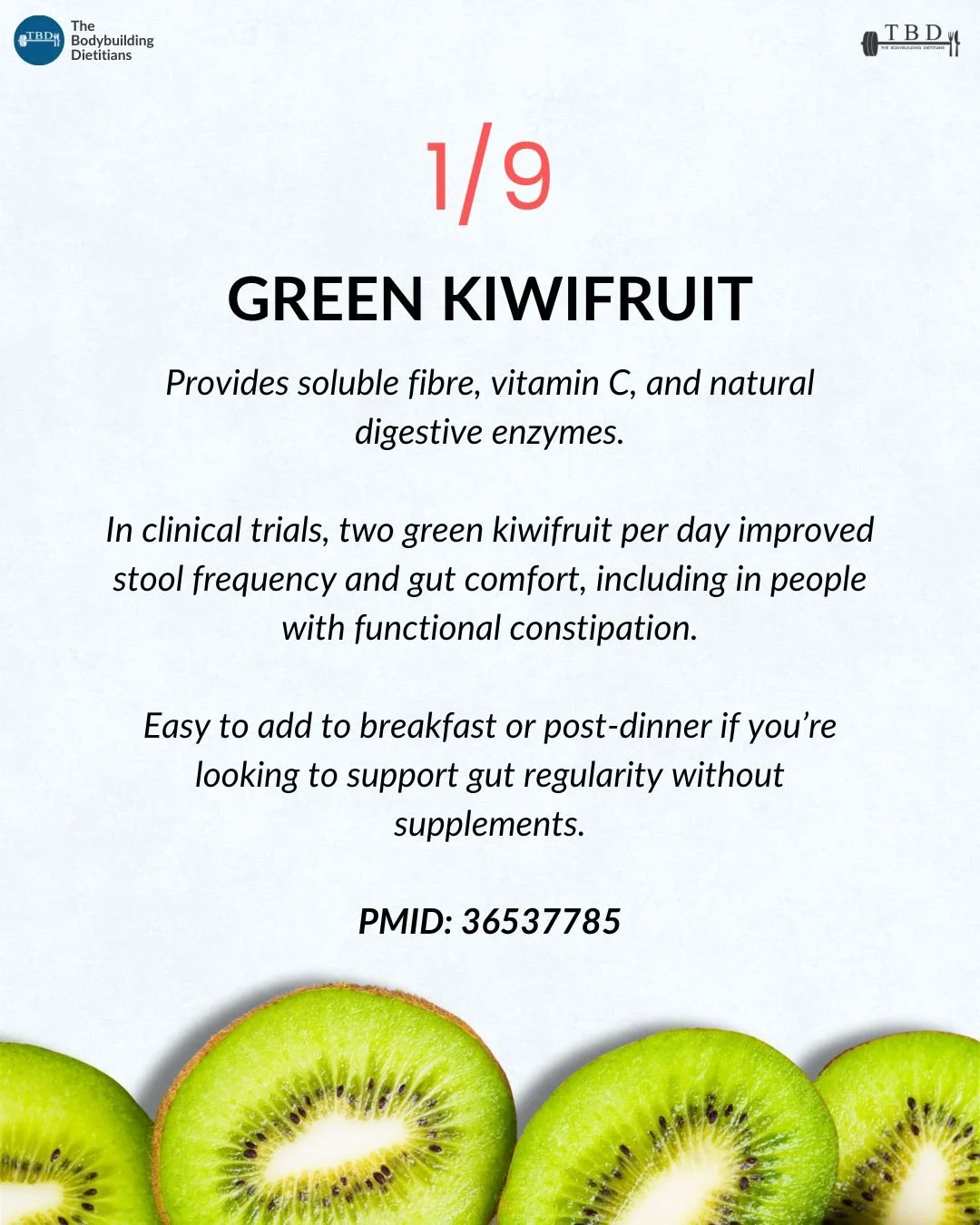
1. Green Kiwifruit
Green kiwifruit provides soluble fibre, vitamin C, and natural digestive enzymes such as actinidin.
Clinical trials have shown that consuming two green kiwifruit per day can improve stool frequency and gut comfort, including in individuals with functional constipation. The fibre profile appears to support bowel regularity while remaining well tolerated.
Practical inclusion is straightforward. They can be added to breakfast, used in yoghurt bowls, blended into smoothies, or eaten post-dinner as a simple way to support digestive consistency.
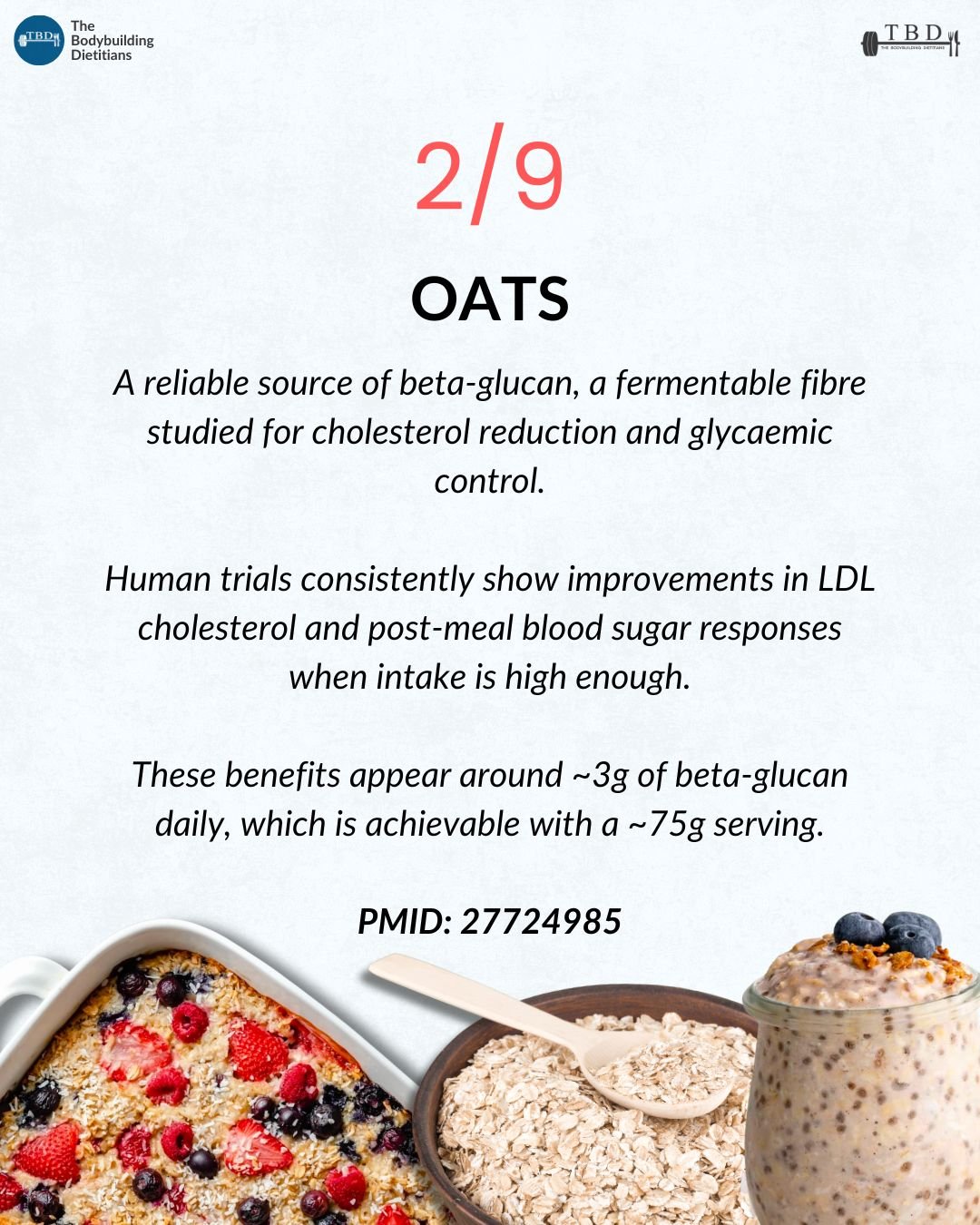
2. Oats
Oats are a reliable source of beta-glucan, a fermentable fibre extensively studied for cholesterol reduction and glycaemic control.
Human trials consistently demonstrate improvements in LDL cholesterol and post-meal blood glucose responses when beta-glucan intake reaches around three grams per day, which is achievable with approximately 75 grams of oats depending on the variety.
Oats also contribute to satiety and can form a stable carbohydrate base within a performance-oriented diet. They combine well with fruit, yoghurt, seeds, or cacao for added fibre and polyphenol diversity.
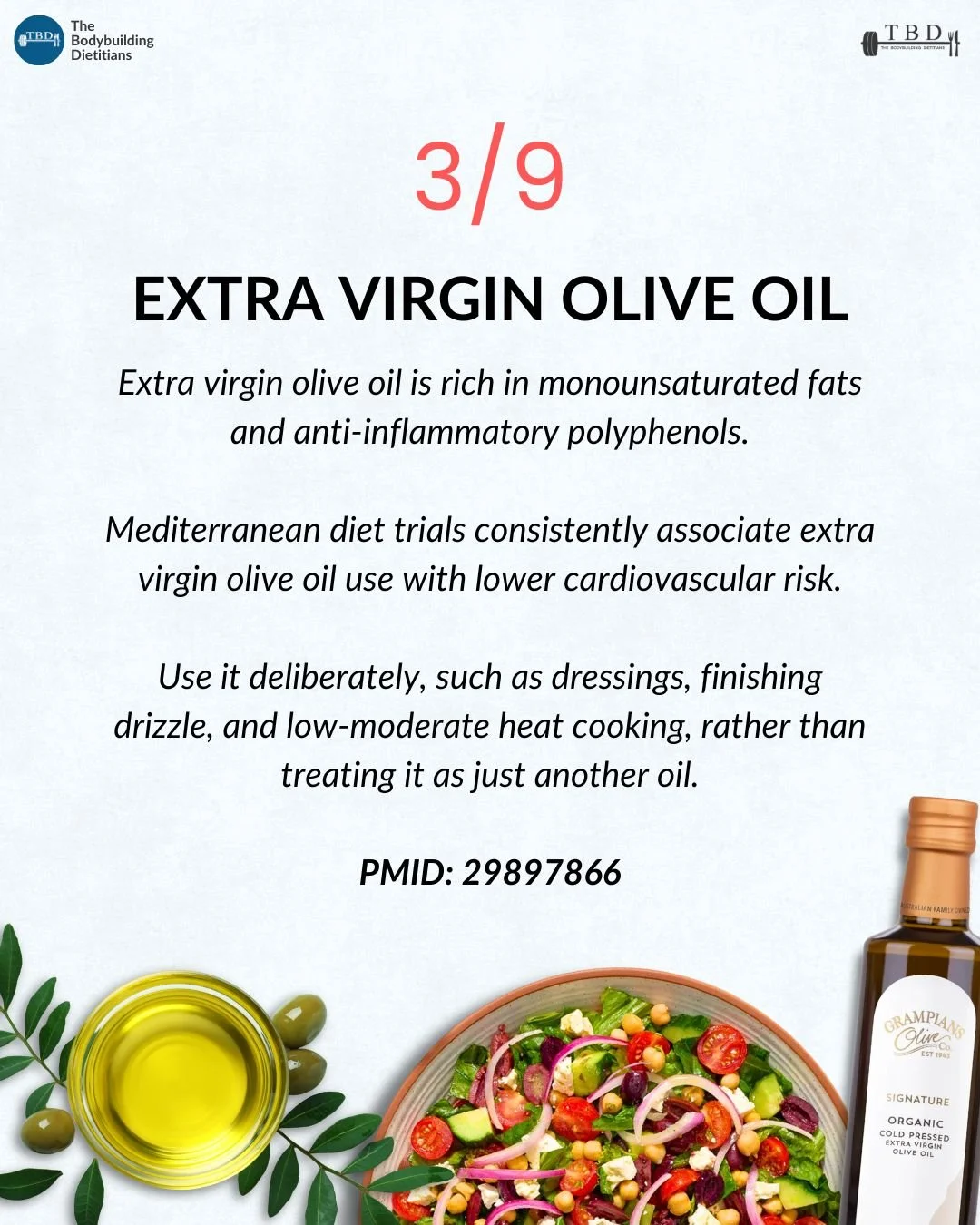
3. Extra Virgin Olive Oil
Extra virgin olive oil is rich in monounsaturated fats and polyphenols with anti-inflammatory properties.
Mediterranean diet trials repeatedly associate regular extra virgin olive oil intake with improved cardiovascular outcomes. Its value lies not only in fat quality but also in its bioactive compounds.
It works well as a finishing drizzle over vegetables, mixed into dressings, or used in low-to-moderate heat cooking. When used deliberately, it can elevate both flavour and nutrient profile within meals.
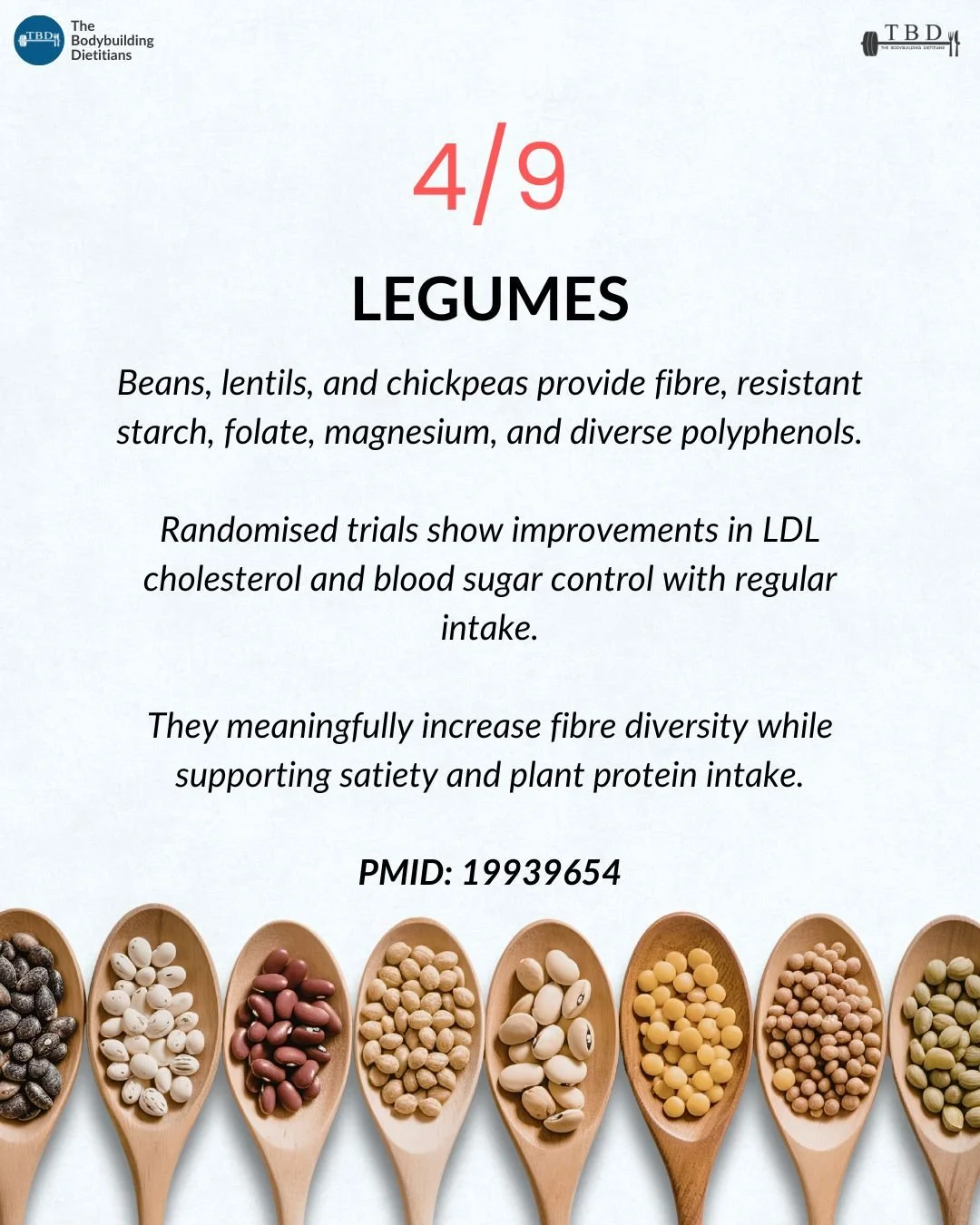
4. Legumes
Beans, lentils, and chickpeas provide fibre, resistant starch, folate, magnesium, and diverse polyphenols.
Randomised trials show improvements in LDL cholesterol and blood sugar regulation with regular intake. Their fibre diversity contributes meaningfully to gut health and satiety.
Legumes can be added to salads, soups, grain bowls, or blended into dips. Their versatility makes them accessible across cuisines and dietary patterns.
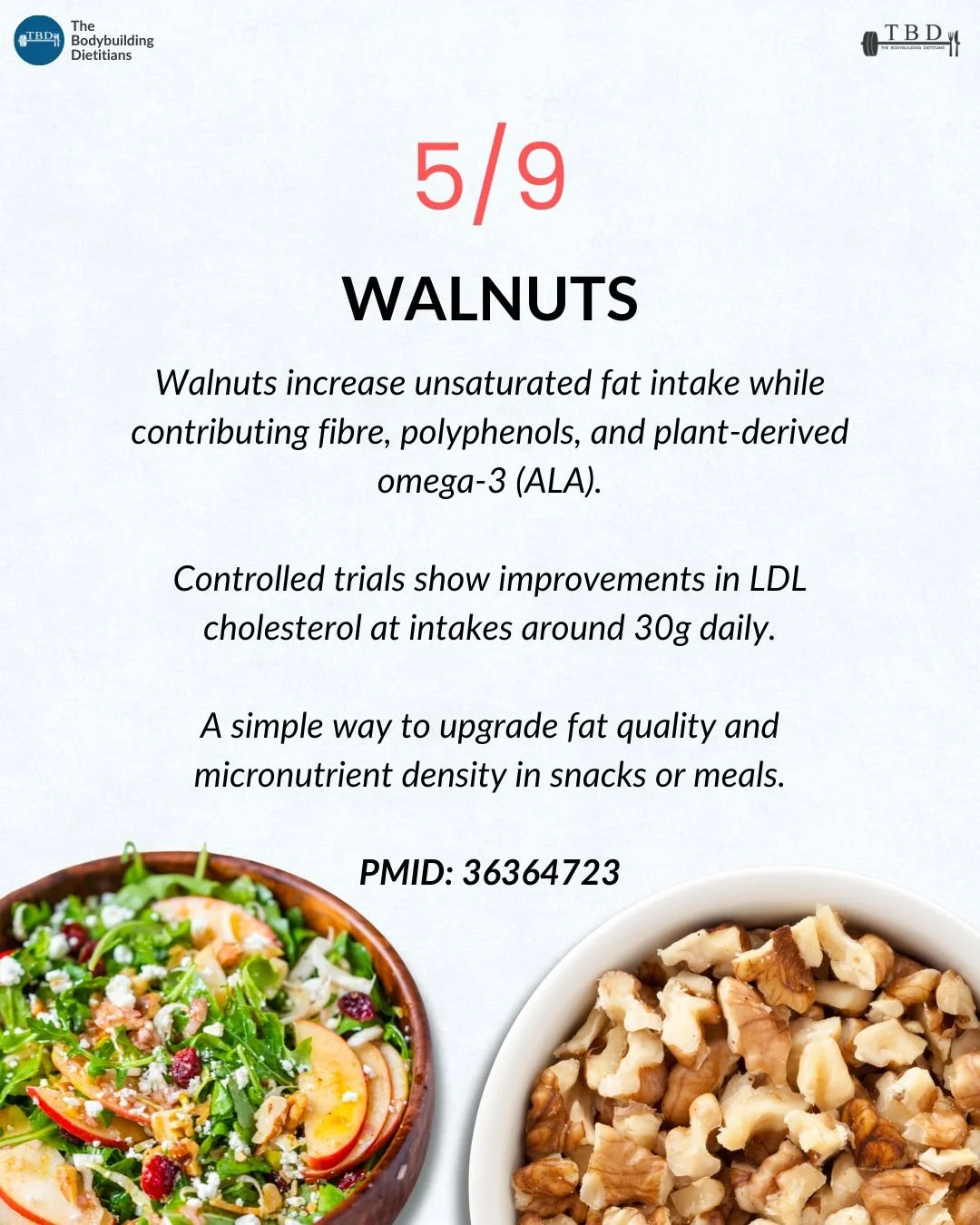
5. Walnuts
Walnuts increase unsaturated fat intake while contributing fibre, polyphenols, and plant-derived omega-3 (ALA).
Controlled trials demonstrate improvements in LDL cholesterol at intakes around 30 grams daily. They also increase overall fat quality within the diet.
They can be added to salads, stirred into oats, paired with yoghurt, or eaten as a snack alongside fruit.
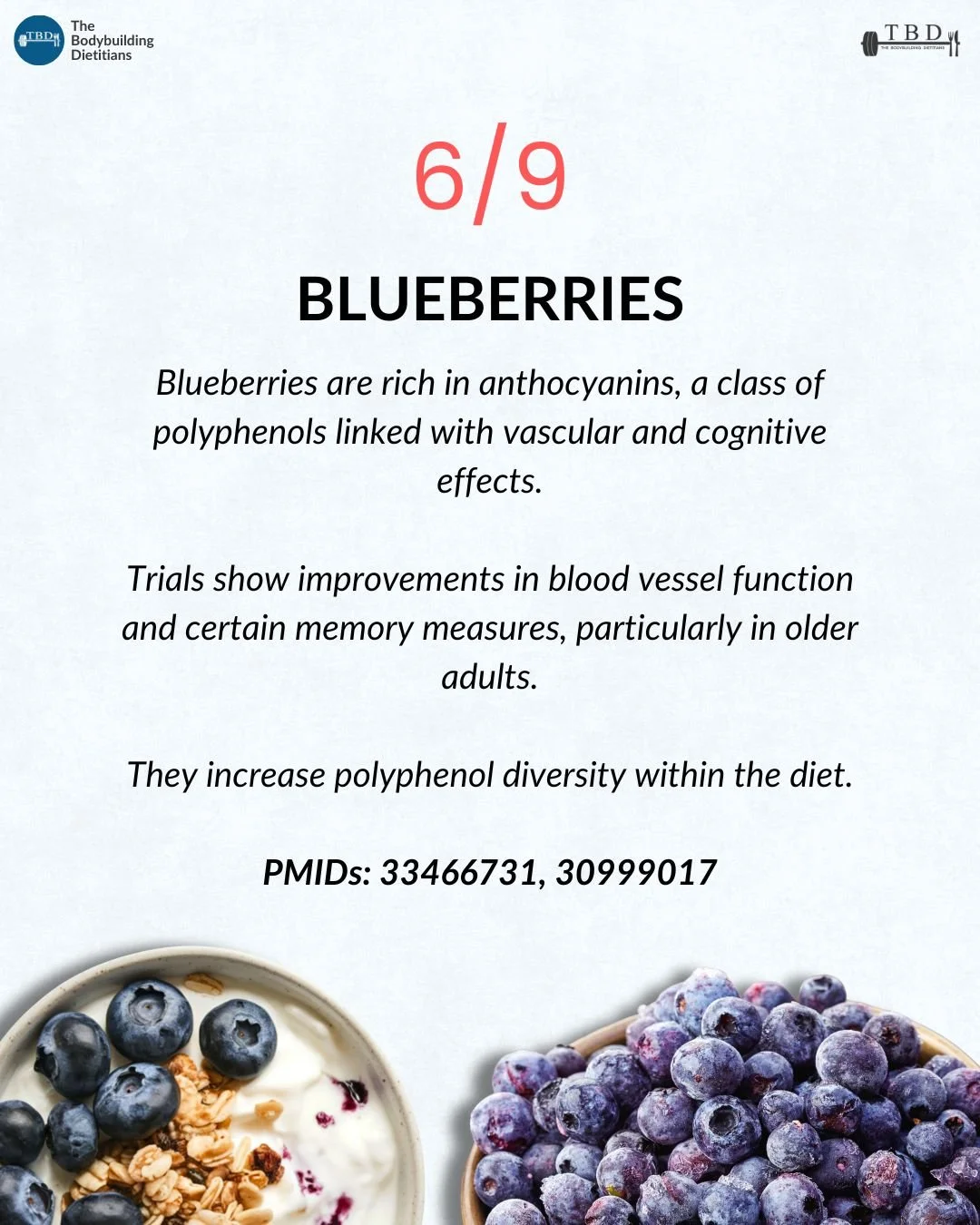
6. Blueberries
Blueberries are rich in anthocyanins, a class of polyphenols linked with vascular and cognitive effects.
Intervention studies show improvements in blood vessel function and certain memory measures, particularly in older adults. They also contribute to polyphenol diversity within the diet.
Fresh or frozen, they integrate easily into breakfasts, smoothies, or desserts.
7. Dark Chocolate or Cacao
Cocoa provides flavanols that support nitric oxide production and blood vessel function.
Research suggests potential benefits for vascular health and blood pressure, alongside contributions of magnesium, iron, fibre, and additional polyphenols.
Higher-cacao products or cacao powder in oats, yoghurt, or smoothies allow for consistent inclusion while maintaining overall dietary balance.
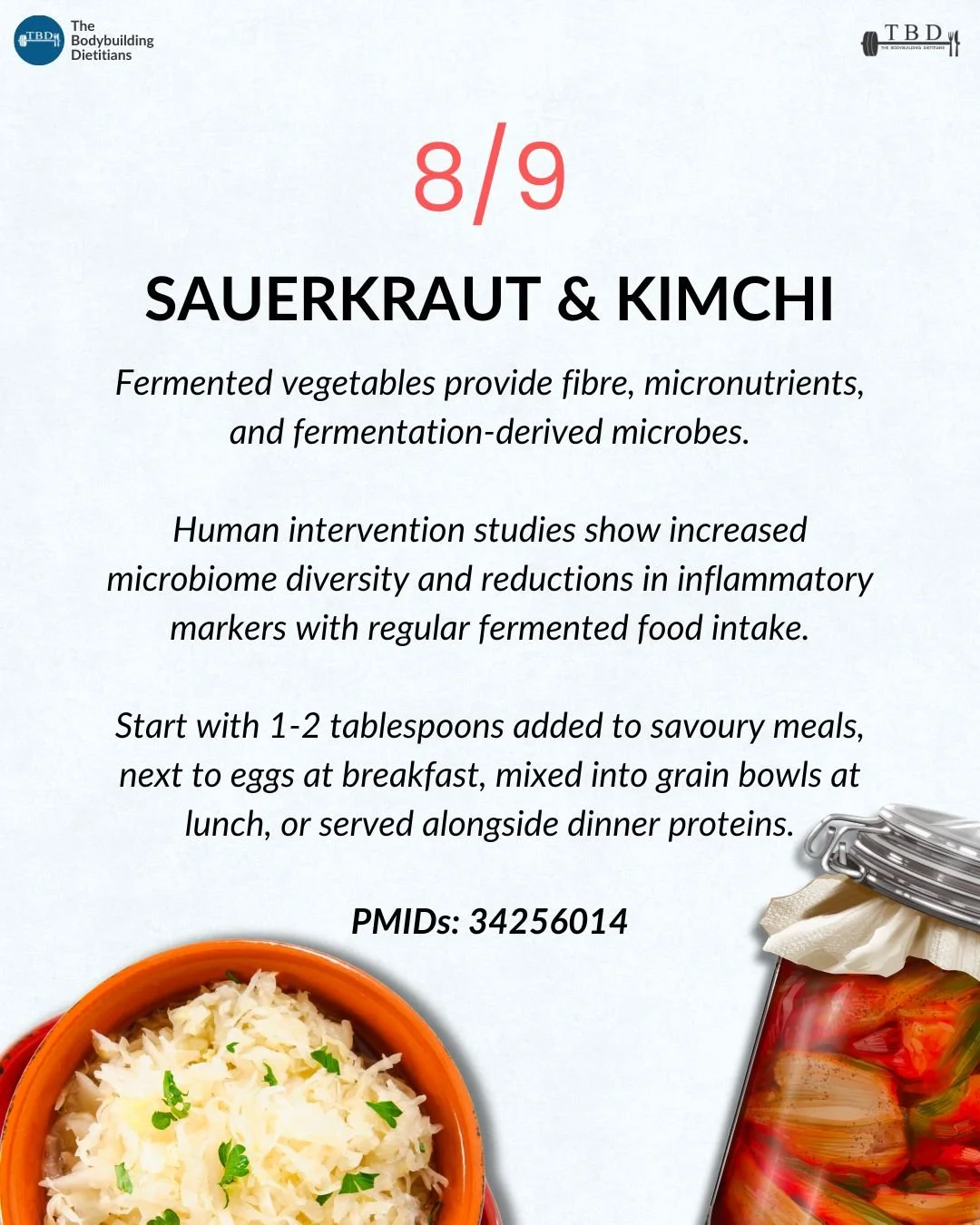
8. Sauerkraut and Kimchi
Fermented vegetables provide fibre, micronutrients, and fermentation-derived microbes.
Human intervention studies show increases in microbiome diversity and reductions in inflammatory markers with regular fermented food intake.
Beginning with one to two tablespoons alongside savoury meals can gradually increase exposure without overwhelming flavour preferences.
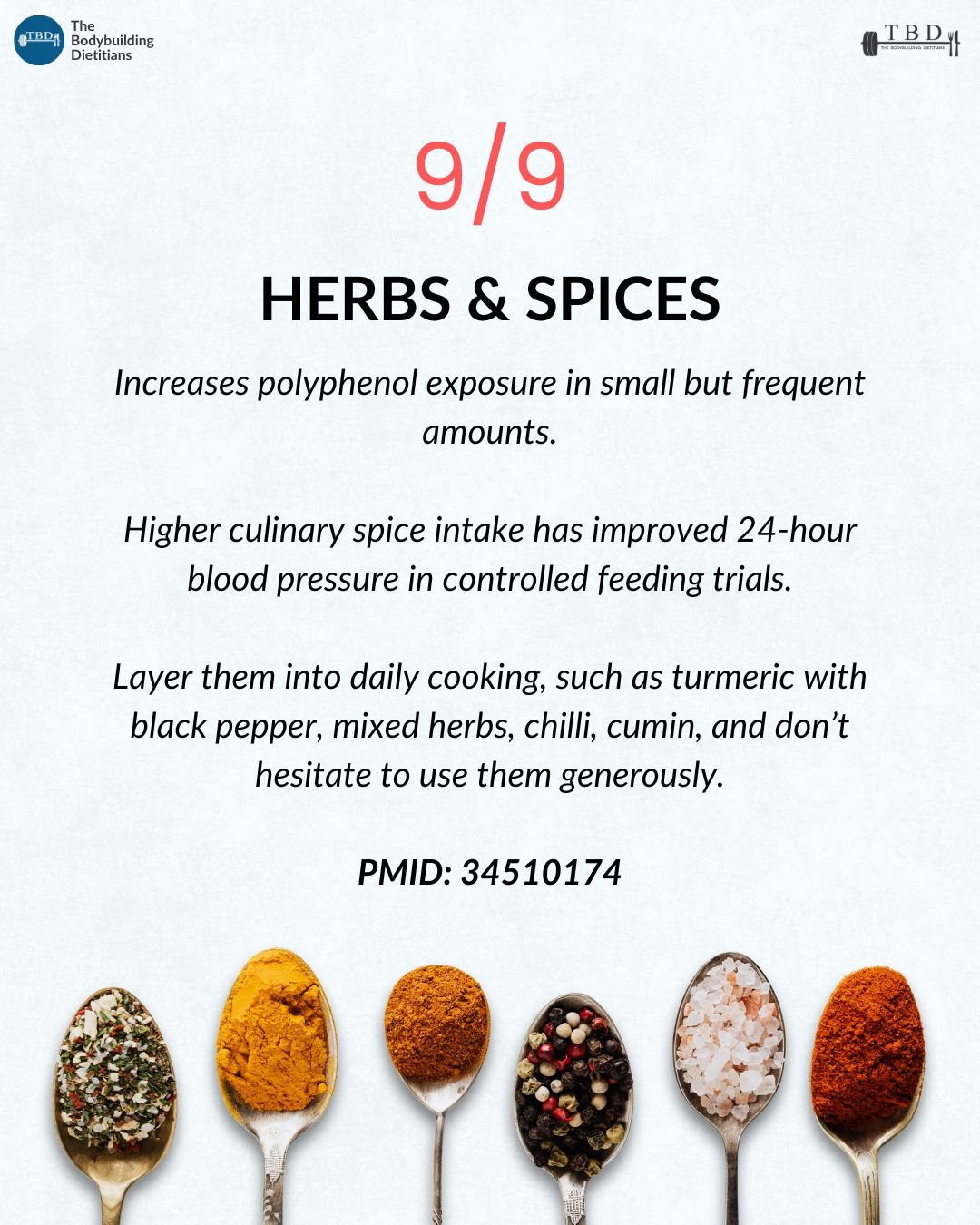
9. Herbs and Spices
Herbs and spices increase polyphenol exposure in small but frequent amounts.
Higher culinary spice intake has been associated with improved 24-hour blood pressure in controlled feeding trials. Their cumulative effect across meals can meaningfully increase phytochemical diversity.
Layering spices such as turmeric with black pepper, mixed herbs, chilli, cumin, coriander, and others into daily cooking can enhance both flavour and nutritional complexity.
The Bigger Picture: Diversity Over Perfection
No single food determines long-term health outcomes. What consistently emerges in research is the value of variety over time, exposure to different fibre types, unsaturated fats, micronutrients, and plant compounds, and the repeated inclusion of these elements within an overall dietary pattern.
Individual context always matters. Preferences, cultural patterns, allergies, intolerances, budget, and access all shape how these foods may be integrated. A high-quality diet is built gradually through consistent, repeatable habits rather than isolated additions.
These nine foods simply represent practical entry points where research and real-world application align.
If you would like support translating research into a structured, sustainable nutrition plan tailored to your goals, our team works with individuals across performance, physique, and general health contexts.