There are many legitimate reasons to exclude a food group. Understanding what that removes nutritionally, and what needs to replace it, is a worthwhile exercise regardless of the reason behind the decision.
Excluding a food group removes not just the foods themselves but the cluster of nutrients those foods reliably deliver, many of which are difficult to obtain at equivalent amounts from other sources. Dairy provides calcium, protein, iodine, zinc, vitamin B12, and choline. Wholegrains provide beta-glucan, B-complex vitamins, magnesium, iron, zinc, selenium, and diverse fibre types. Fruit provides fibre, antioxidants, vitamin C, carotenoids, potassium, folate, and phytonutrients. Lean animal protein provides complete amino acids, haem iron, vitamin B12, zinc, creatine, omega-3 fatty acids, and collagen. Vegetables provide an unmatched diversity of micronutrients including vitamin C, carotenoids, folate, potassium, sulforaphane, flavonoids, and fibre. Exclusion is not inherently problematic, but it requires deliberate nutritional planning to avoid the gaps it creates.

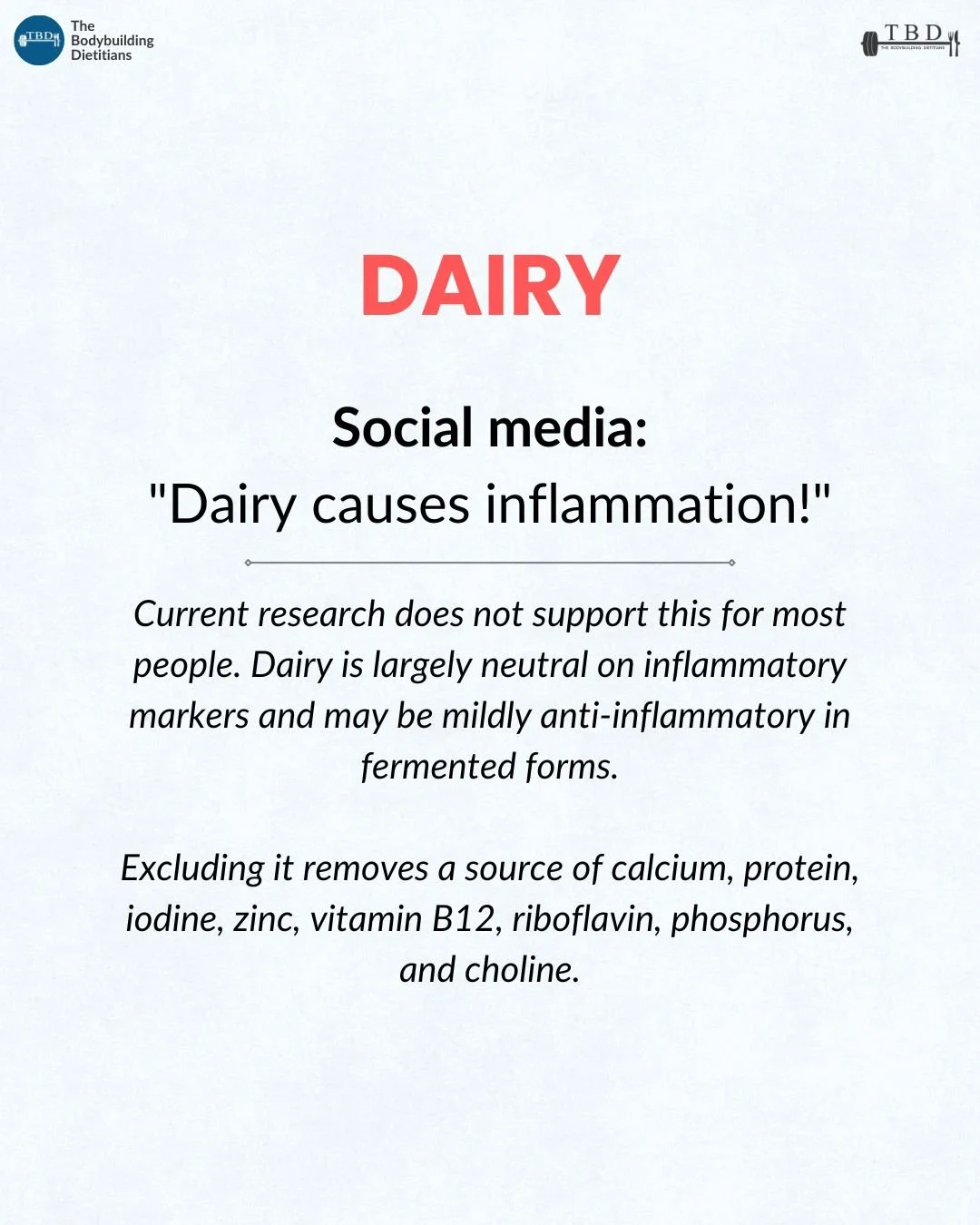
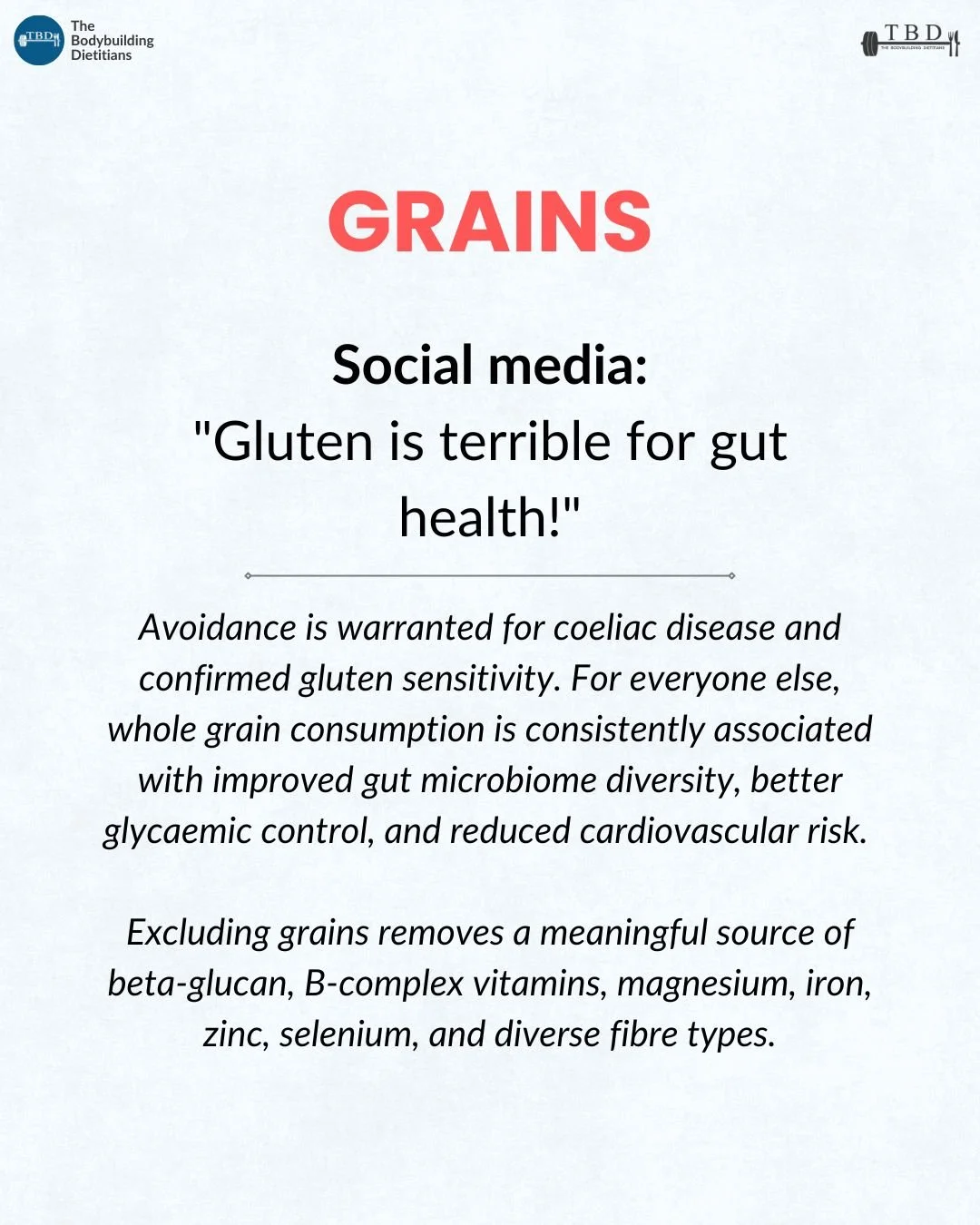
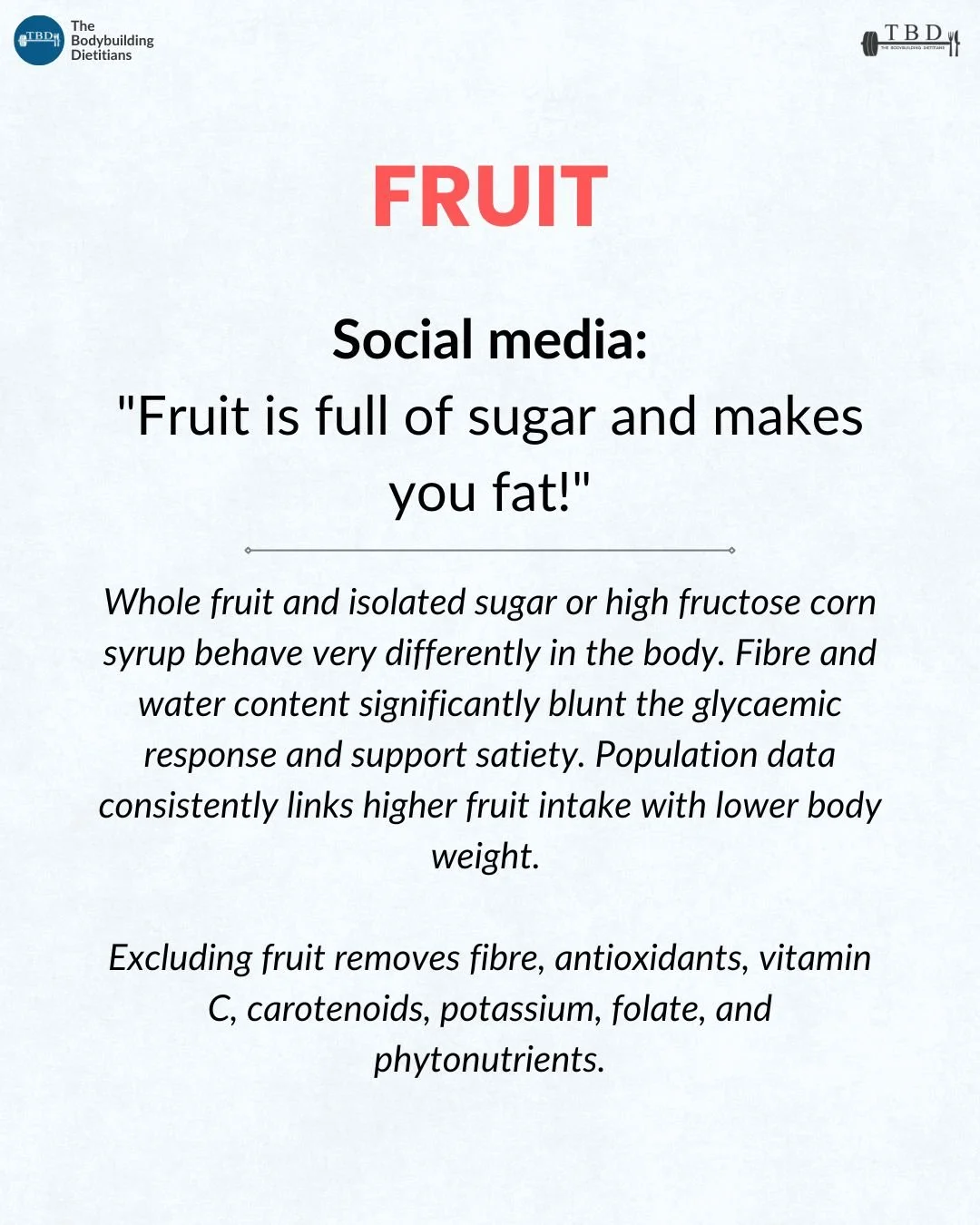
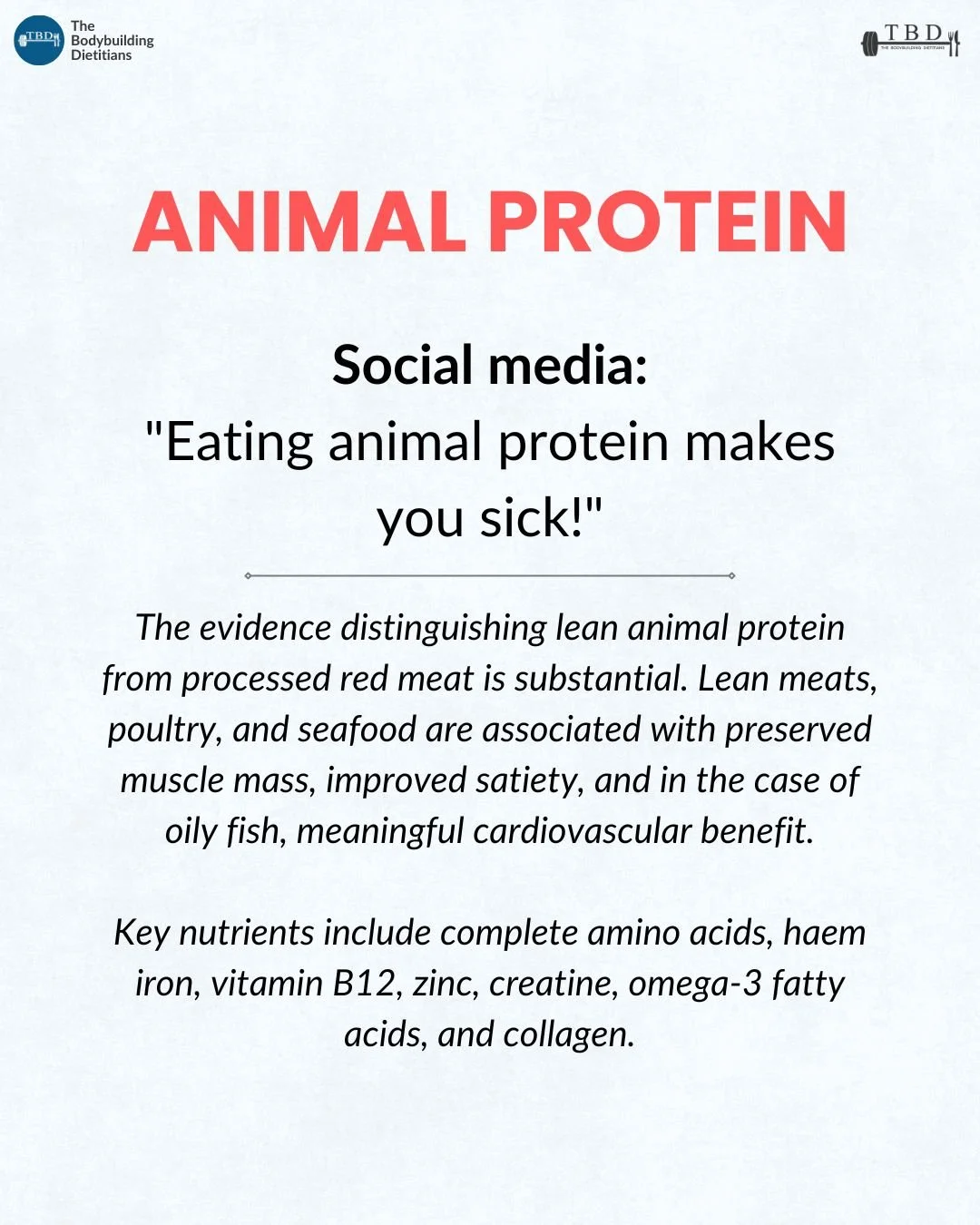
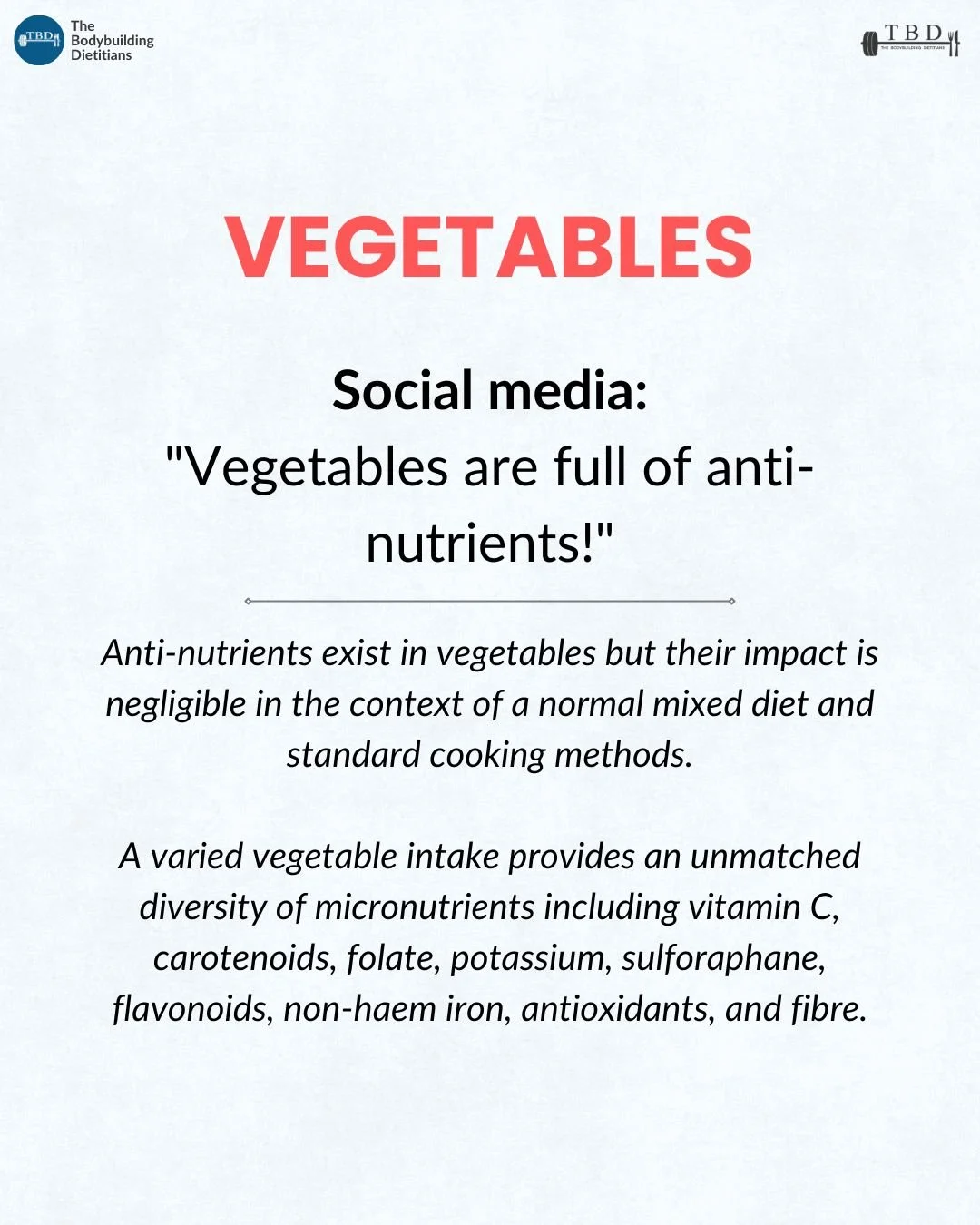
Social media has made excluding food groups feel like a health strategy. Dairy causes inflammation. Gluten destroys your gut. Fruit spikes insulin. Animal protein accelerates disease. Vegetables are full of anti-nutrients. These claims circulate widely, are often presented with considerable confidence, and tend to be shared by people who genuinely believe them based on their own experience or the content they consume.
There are many legitimate reasons to remove a food group from the diet. Allergies, intolerances, ethical commitments, religious practices, cultural preferences, and honest personal preference are all sound foundations for dietary decisions, and this article is not an argument against any of them. What it addresses is the growing pattern of food group exclusion that is driven primarily by social media narratives rather than a clear understanding of what the evidence shows and what the nutritional consequences are.
Excluding a food group removes not just the foods themselves but the cluster of nutrients those foods reliably deliver, many of which are difficult to obtain at equivalent amounts from other sources. Understanding that trade-off clearly is useful for anyone making these decisions, regardless of the reason.
Is Dairy Actually Inflammatory?
The claim that dairy causes inflammation has become one of the more persistent dietary narratives on social media, and it is a useful starting point because the gap between the claim and the evidence is particularly wide.
Current research does not support the idea that dairy is broadly pro-inflammatory in the general population. A systematic review and meta-analysis of 27 randomised controlled trials found that dairy consumption had a neutral or modestly anti-inflammatory effect on circulating inflammatory markers, with fermented dairy products such as yoghurt and kefir showing the most consistently favourable findings. The pattern observed in healthy individuals does not match the inflammatory narrative promoted across social media.
Inflammatory cytokines are signalling proteins released by the immune system in response to perceived threats, and elevated levels are associated with a range of chronic disease outcomes. The research on dairy and inflammatory markers does not show a meaningful or consistent elevation in response to dairy consumption in people without a specific intolerance or allergy.
A meta-analysis of 27 randomised controlled trials found that total dairy intake had a neutral to beneficial effect on circulating biomarkers of inflammation, with fermented dairy associated with modest anti-inflammatory effects across the included studies.
Source: Bordoni et al., 2017, Critical Reviews in Food Science and Nutrition.
Lactose intolerance and dairy allergy are distinct conditions that warrant genuine avoidance, and the distinction between a clinically confirmed intolerance and a self-attributed sensitivity matters here. For individuals with a true intolerance or allergy, dairy avoidance is appropriate. For individuals without one, the nutritional cost of that exclusion is real: dairy reliably delivers calcium, protein, iodine, zinc, vitamin B12, riboflavin, phosphorus, and choline, several of which are nutrients where dietary shortfall is already common in the broader population.
Calcium is particularly worth noting, as dairy is the most bioavailable and practically accessible source in most Western diets. Iodine is another nutrient where dairy is a primary contributor, and it is one that tends to go unexamined when dairy is removed without deliberate replacement planning.
Is Gluten Bad for Gut Health?
Gluten avoidance has expanded well beyond the populations for whom it is medically warranted, and the disconnect between clinical evidence and public perception around grains and gut health is significant.
Coeliac disease is an autoimmune condition in which gluten consumption triggers an immune-mediated response that damages the intestinal lining. For people with coeliac disease, strict gluten avoidance is essential and non-negotiable. Non-coeliac gluten sensitivity is a less well-defined condition where symptoms appear to be related to gluten ingestion in the absence of the autoimmune markers of coeliac disease, and avoidance is warranted in these cases as well.
For everyone outside of these categories, the evidence does not support the view that gluten is harmful to gut health. Wholegrains, which contain gluten in the case of wheat, barley, and rye, are consistently associated with improved gut microbiome diversity, better glycaemic control, reduced LDL cholesterol, and lower cardiovascular disease risk in large prospective cohort studies. The gut microbiome benefits of wholegrain consumption are largely attributable to the diverse fibre types these foods provide, which serve as substrate for beneficial bacteria.
The practical implication is that excluding wholegrains without a clinical indication removes a meaningful and nutritionally dense food category. Wholegrains provide beta-glucan, a soluble fibre associated with LDL cholesterol reduction and improved glycaemic management; B-complex vitamins including thiamine, niacin, and folate; and minerals including magnesium, iron, zinc, and selenium. The fibre diversity provided by a diet that includes a range of wholegrains is difficult to replicate from other food sources alone, and for individuals with gut health goals, removing the food category most consistently associated with microbiome benefit is worth reconsidering.
Does Fruit Make You Fat Because of Its Sugar Content?
The framing of fruit as a high-sugar food that promotes fat gain conflates whole fruit with isolated sugar or high-fructose corn syrup, and the two behave differently in the body.
Whole fruit contains fructose in a food matrix that includes significant water content, dietary fibre, and a range of phytonutrients. This matrix substantially blunts the glycaemic response relative to equivalent amounts of isolated sugar, because fibre slows gastric emptying and glucose absorption, and the volume and water content of whole fruit supports satiety. Fruit juice, from which fibre has been removed, behaves more similarly to other sugar-containing drinks, and the distinction between whole fruit and fruit juice is worth making clearly.
Population-level data consistently shows that higher fruit intake is associated with lower body weight, not higher, and that populations with high fruit consumption do not show the insulin resistance or metabolic dysfunction that the sugar-in-fruit narrative would predict. This does not mean that fruit intake is without limit for someone in a calorie deficit with a specifically prescribed macro target, but it does mean that the idea of fruit as an inherently fattening food is not supported by the evidence.
Excluding fruit removes a food category that provides fibre, antioxidants, vitamin C, carotenoids, potassium, folate, and a diverse array of phytonutrients including flavonoids and polyphenols. Phytonutrients are bioactive plant compounds that influence inflammatory, antioxidant, and cellular signalling pathways and are obtained most practically through varied fruit and vegetable intake. These compounds are not easily replicated through supplementation, and the variety achieved through a mixed fruit intake across different colours and species is nutritionally meaningful.
Is Lean Animal Protein Harmful to Health?
The claim that eating animal protein makes you sick does not reflect how the research on animal protein actually reads when the evidence is examined with appropriate nuance.
The key distinction in the literature is between lean animal protein sources, including chicken, turkey, fish, eggs, and lean cuts of beef and lamb, and processed red meat products such as sausages, bacon, and deli meats. These two categories carry meaningfully different associations in the health data. Processed meat consumption is associated with elevated colorectal cancer and cardiovascular disease risk in large prospective studies. Lean unprocessed animal protein sources do not show the same pattern, and in many cases, particularly for oily fish, are associated with health benefits.
Oily fish such as salmon, sardines, and mackerel provide long-chain omega-3 fatty acids including EPA and DHA, which have well-established anti-inflammatory and cardiovascular benefits. The evidence base for oily fish as a health-supportive food is among the more consistent in the nutrition literature.
Lean animal protein also provides nutrients that are difficult to replicate from plant sources at equivalent bioavailability. Haem iron, the form found in animal foods, is absorbed at several times the rate of non-haem iron from plant sources. Vitamin B12 is found almost exclusively in animal-derived foods and requires deliberate supplementation in fully plant-based diets. Zinc from animal sources is more bioavailable than from plant sources due to lower phytate interference. Creatine is synthesised endogenously but is also obtained through dietary animal protein, and lower dietary creatine intake in individuals avoiding animal foods is associated with lower muscle creatine stores at baseline.
For individuals who choose to reduce or exclude animal protein for ethical, environmental, or personal reasons, careful attention to these specific nutrients is necessary to avoid unintended shortfall. For individuals doing so based primarily on the belief that lean animal protein is harmful, the evidence does not support that position.
Are the Anti-Nutrients in Vegetables a Real Concern?
The anti-nutrient argument against vegetables is one of the weaker cases for food group exclusion that has gained traction in recent years, largely through the popularisation of elimination-style dietary approaches.
Anti-nutrients are naturally occurring compounds in plants, including oxalates, phytates, lectins, and tannins, that can reduce the absorption of certain minerals or cause digestive discomfort in very high amounts. They exist in vegetables, legumes, and grains, and their presence in the food supply is real. The question is whether their impact is clinically meaningful in the context of a normal mixed diet, and for most people, the answer is no.
Cooking substantially reduces the concentrations of the most commonly cited anti-nutrients. Lectins, for example, which are found in beans and legumes and are frequently referenced in anti-nutrient discussions, are largely inactivated by standard cooking temperatures. The populations consuming the highest amounts of legumes and vegetables in the world do not show the mineral deficiencies or digestive pathology that the anti-nutrient narrative would predict. The dose and dietary context matter considerably, and a normal varied diet with standard food preparation does not create meaningful anti-nutrient burden.
Excluding vegetables based on anti-nutrient concerns removes the most nutritionally diverse food category available. A varied vegetable intake provides vitamin C, carotenoids including beta-carotene and lycopene, folate, potassium, sulforaphane, flavonoids, non-haem iron, antioxidants, and fibre. The diversity of phytonutrients available from vegetables is difficult to approach through any other food category, and the research on vegetable intake and chronic disease risk reduction is among the most consistent in nutritional epidemiology.
For individuals working to optimise both health and body composition, vegetables play a specific practical role during a calorie deficit: they provide meaningful food volume and satiety per calorie, which makes managing total intake considerably more sustainable.
What Is the Common Thread Across These Food Group Claims?
Each of the food groups discussed in this article has attracted its own narrative on social media, and each narrative shares a common structure: a real finding, a condition, or a legitimate concern in a specific context, generalised to a universal claim that extends well beyond what the evidence supports.
Dairy is genuinely problematic for people with lactose intolerance or a dairy allergy. Gluten warrants strict avoidance in coeliac disease. Fructose consumed in very high amounts from concentrated sources does behave differently from whole fruit fructose in the liver. Processed red meat carries a different risk profile from lean unprocessed animal protein. Anti-nutrients do exist in vegetables. None of these observations are false, but each has been extrapolated into a recommendation for broad population-level avoidance that the same evidence base does not support.
The more practically useful question for anyone considering a food group exclusion is not whether the food is universally harmful, but whether the reason for removing it is sound in their specific context, and what nutritional planning needs to happen to address what is being taken out. A diet that includes deliberate exclusions for clear reasons and accounts for those exclusions nutritionally is well-structured. A diet that removes food categories based on social media claims without understanding the nutritional consequences is taking on risk that is rarely necessary.
Building a diet that reflects individual preferences, clinical needs, and evidence-based nutritional adequacy is exactly the kind of problem that benefits from working with someone who can assess it in context. For individuals who want that support, a consultation with one of our dietitians is a practical starting point.
Practical Takeaways
Excluding a food group for legitimate reasons, including allergy, intolerance, ethical conviction, or personal preference, is entirely reasonable. The key is understanding and addressing the nutritional gap it creates.
Dairy is not broadly pro-inflammatory in the research literature. Excluding it removes calcium, iodine, protein, vitamin B12, zinc, riboflavin, phosphorus, and choline, several of which are nutrients where population-level shortfall is already common.
Wholegrain avoidance is clinically warranted for coeliac disease and confirmed gluten sensitivity. For everyone else, wholegrains are consistently associated with gut microbiome benefit, better glycaemic control, and reduced cardiovascular risk.
Whole fruit behaves differently from isolated sugar or fruit juice due to its fibre, water, and phytonutrient content. Population data consistently links higher fruit intake with lower body weight, not higher.
Lean animal protein and processed meat carry meaningfully different evidence profiles. Lean meats, poultry, eggs, and particularly oily fish are not associated with the disease outcomes attributed to processed meat products.
Anti-nutrients in vegetables are substantially reduced by standard cooking and are not clinically meaningful in the context of a normal mixed diet. Vegetables provide an unmatched density and diversity of micronutrients and phytonutrients.
Social media claims about food groups frequently extrapolate legitimate findings from specific conditions or contexts into broad universal recommendations. Evaluating the source, the population, and the context of any nutrition claim is worth the effort.
Frequently Asked Questions
Does dairy cause inflammation?
For most people, no. The research on dairy and inflammatory markers generally shows a neutral or mildly anti-inflammatory effect, particularly from fermented dairy products. The claim that dairy causes inflammation is largely not supported by controlled trials in healthy individuals. Genuine dairy allergy or lactose intolerance are separate conditions where avoidance is appropriate, but these should be distinguished from the broad anti-dairy narrative that applies a specific finding to the general population.
Is gluten harmful if you do not have coeliac disease?
For individuals without coeliac disease or confirmed non-coeliac gluten sensitivity, the evidence does not support avoiding gluten as a health strategy. Wholegrains, which are the primary sources of gluten in the diet, are consistently associated with improved gut microbiome diversity, reduced cardiovascular disease risk, and better glycaemic control in large prospective studies. Removing them without a clinical reason removes a nutritionally meaningful food category.
Should people avoid fruit because of its fructose content?
The fructose in whole fruit is embedded in a food matrix with fibre, water, and phytonutrients that substantially change how it is absorbed and metabolised compared to isolated fructose or high-fructose corn syrup. Population data does not show that whole fruit consumption promotes weight gain or metabolic dysfunction. For individuals tracking macros within a calorie deficit, the total calorie contribution of fruit matters, but fruit itself is not an inherently problematic food based on its sugar content.
What nutrients are hardest to replace when excluding animal protein?
The nutrients most consistently difficult to obtain at equivalent intake and bioavailability from plant sources alone are vitamin B12, haem iron, long-chain omega-3 fatty acids, and zinc. Vitamin B12 is found almost exclusively in animal foods and requires supplementation in fully plant-based diets. Haem iron from animal sources is absorbed at significantly higher rates than non-haem iron from plant foods. Creatine intake is also lower in the absence of animal protein, which has implications for muscle creatine stores and potentially for training performance.
Are anti-nutrients in vegetables harmful?
In the context of a normal mixed diet with standard cooking methods, anti-nutrients in vegetables do not produce clinically meaningful harm for most people. Compounds such as lectins are largely inactivated by heat, and populations with high vegetable and legume intake do not show the deficiency or digestive pathology the anti-nutrient narrative predicts. Anti-nutrients exist, and extremely high intakes of specific uncooked foods can reduce mineral absorption, but this is not a realistic concern within a normal varied diet.
How do I know if I genuinely need to exclude a food group?
A genuine clinical reason for food group exclusion typically involves a confirmed diagnosis, such as coeliac disease, a diagnosed food allergy, or a clinically confirmed intolerance, supported by appropriate testing rather than self-attribution based on symptoms alone. Many symptoms attributed to food groups, such as digestive discomfort after dairy or grains, can have multiple causes, and correctly identifying the source requires proper assessment. If you believe a food group is causing problems, working with a dietitian or medical professional to investigate properly is preferable to broad exclusion based on assumption.
If you are navigating dietary exclusions for any reason and want support ensuring your nutrition remains complete and well-structured around those decisions, our team can help.