
Every year, countless people approach the holiday season with a familiar anxiety: “What if I undo all my progress in one day?”
This worry is understandable. The festive season brings more social events, richer foods, less routine, and a temporary shift away from structured nutrition. But physiologically speaking, the idea that a single meal, or even a full day of celebration, can cause meaningful fat gain is deeply exaggerated.
Let’s break down the reality.
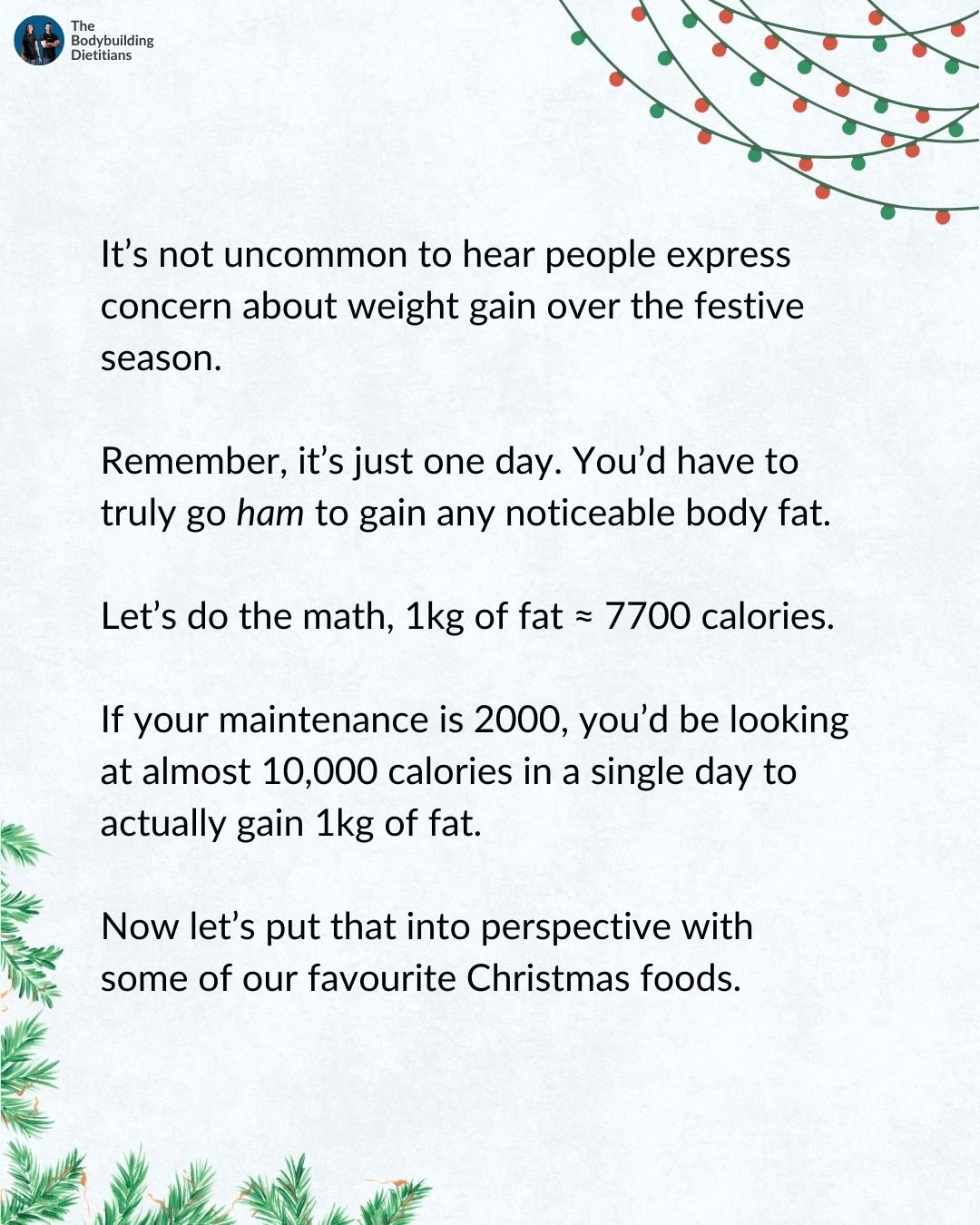
How much energy is required to gain 1kg of body fat?
To store 1kg of body fat, the body must retain approximately 7700 excess calories beyond your maintenance needs.
So if your maintenance intake is around 2000 calories per day, you would need to consume close to 10,000 calories in total for that day to genuinely gain 1kg of fat.
That number is far bigger than people expect. When you translate it into Christmas foods, it becomes even more obvious how unrealistic it is.
What 7700 extra calories actually looks like
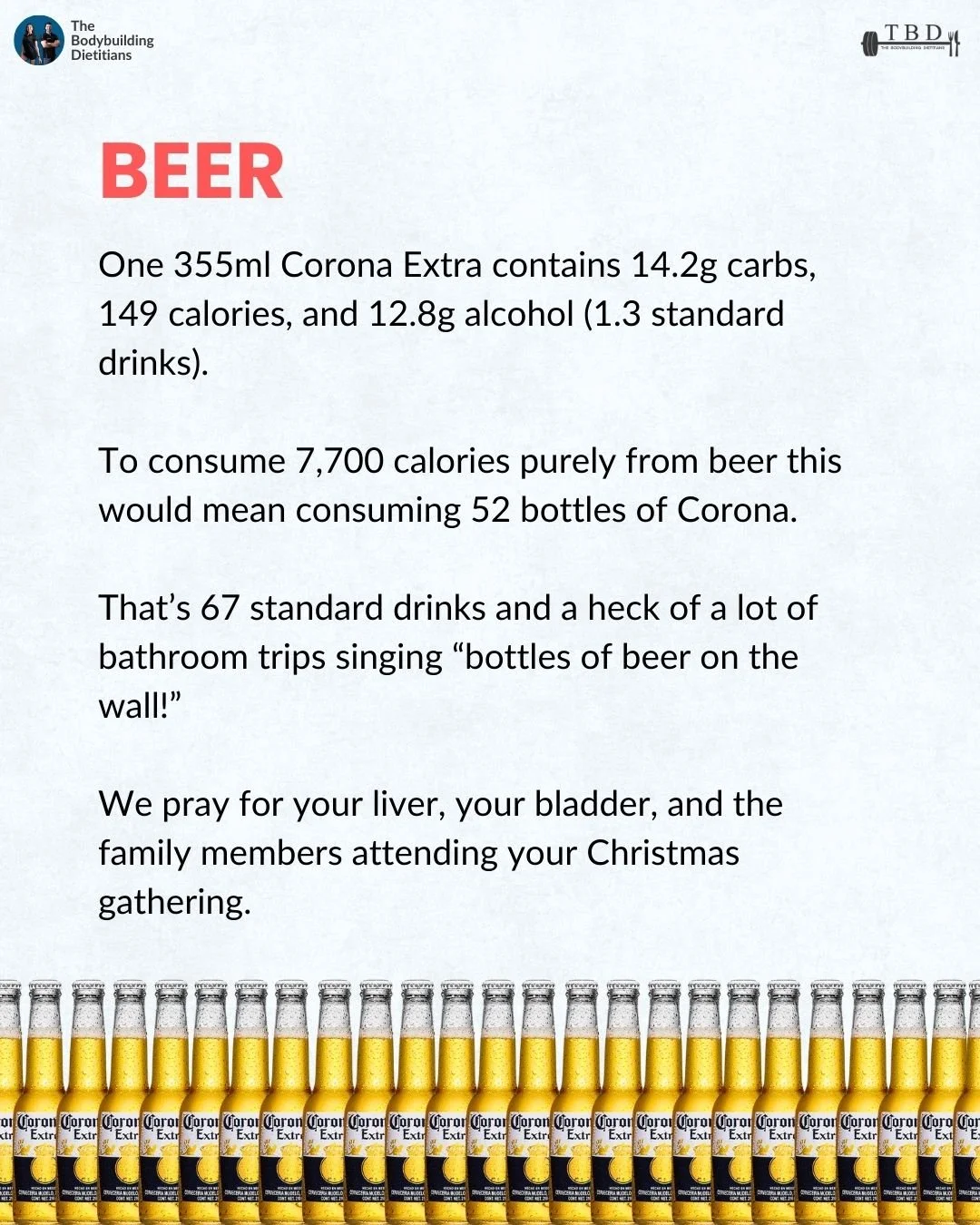
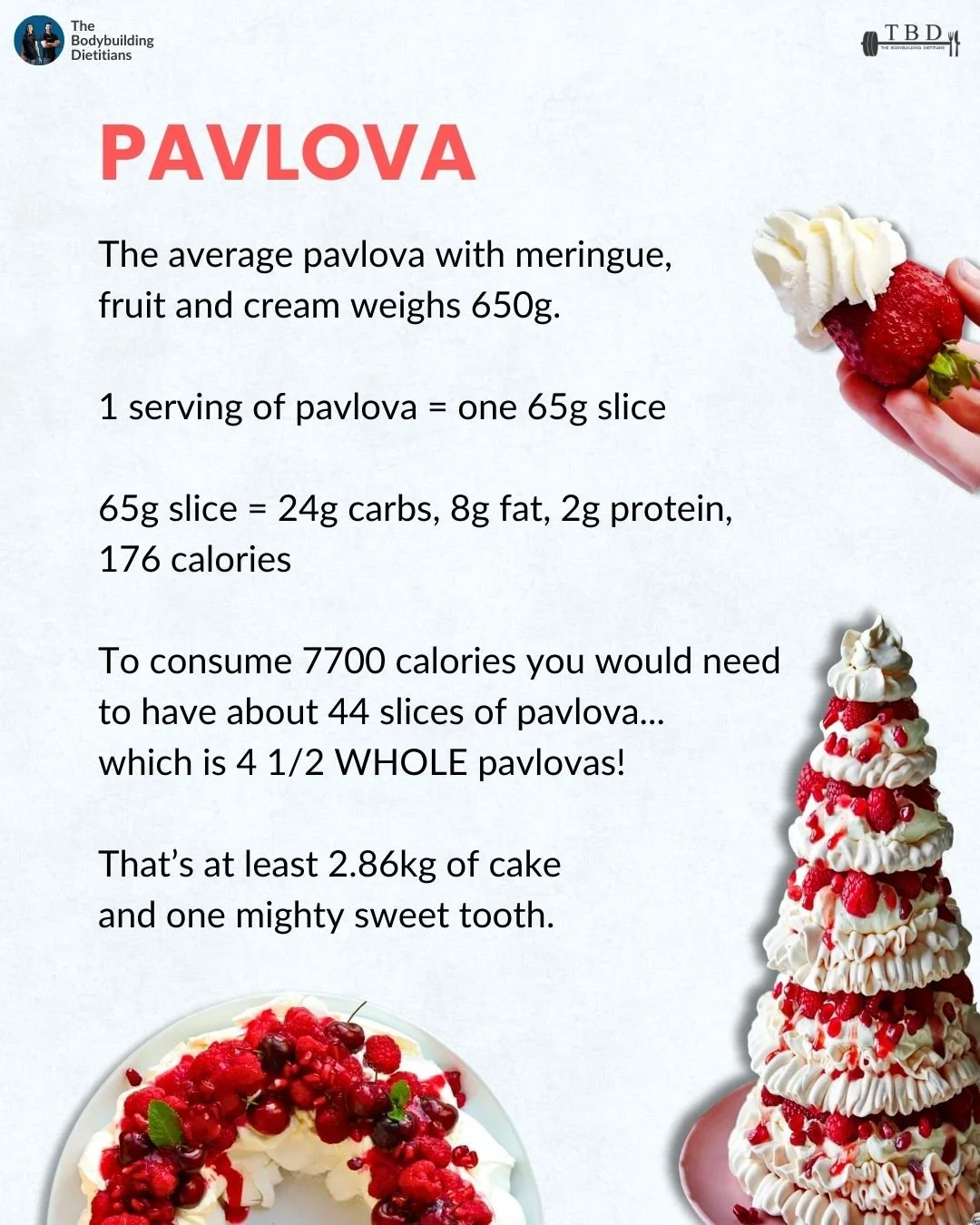
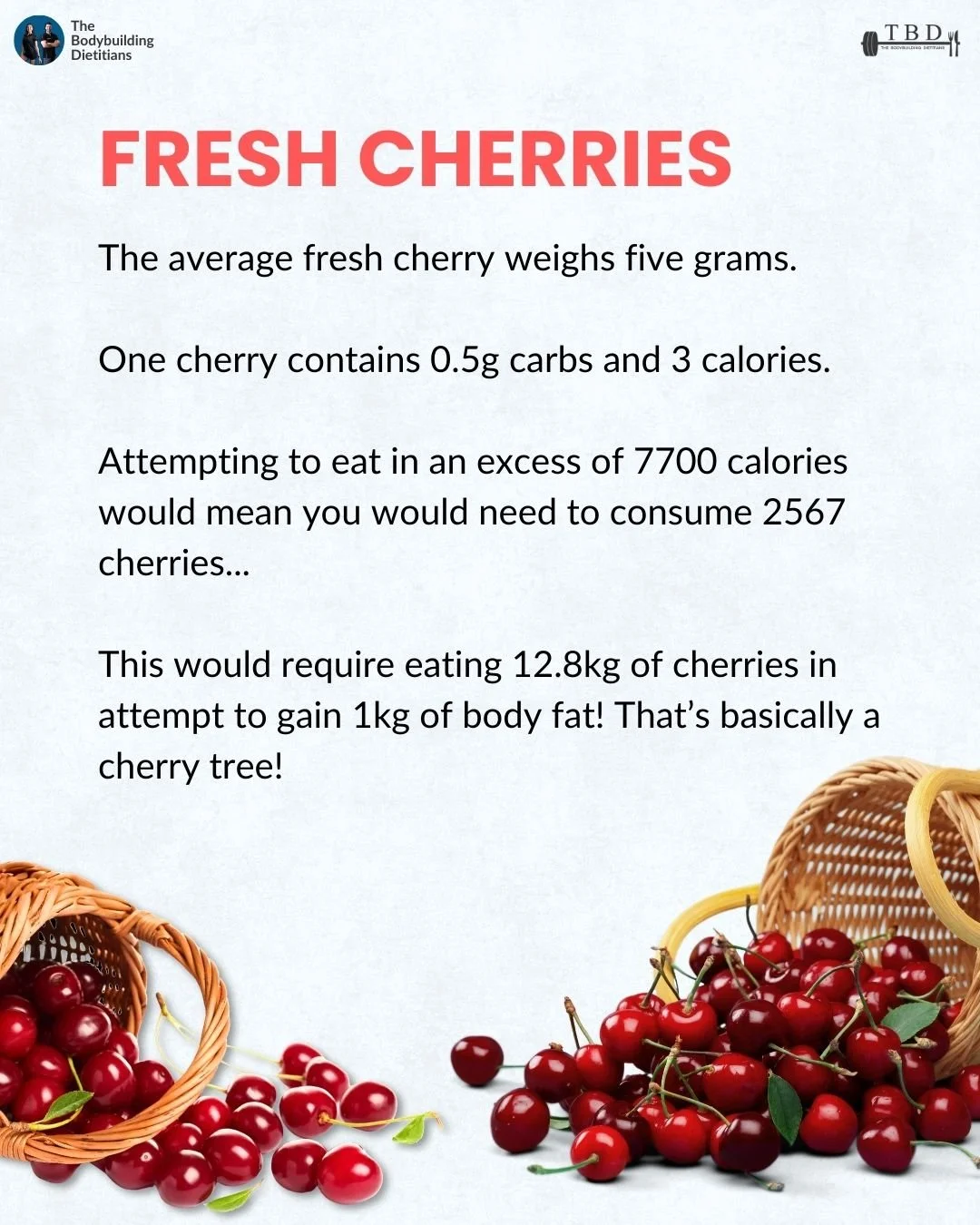
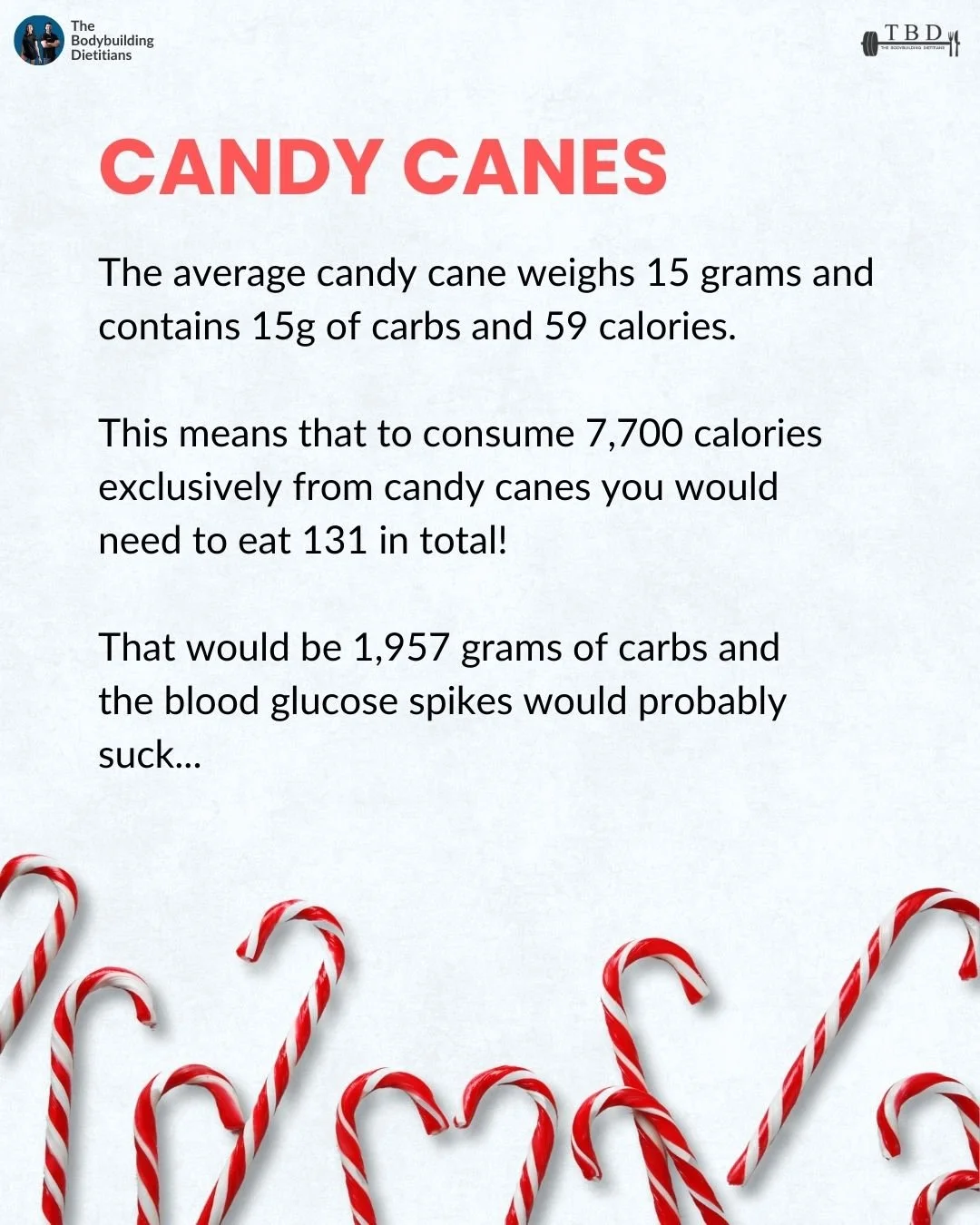
The equivalent of overeating by 7700 calories is roughly:
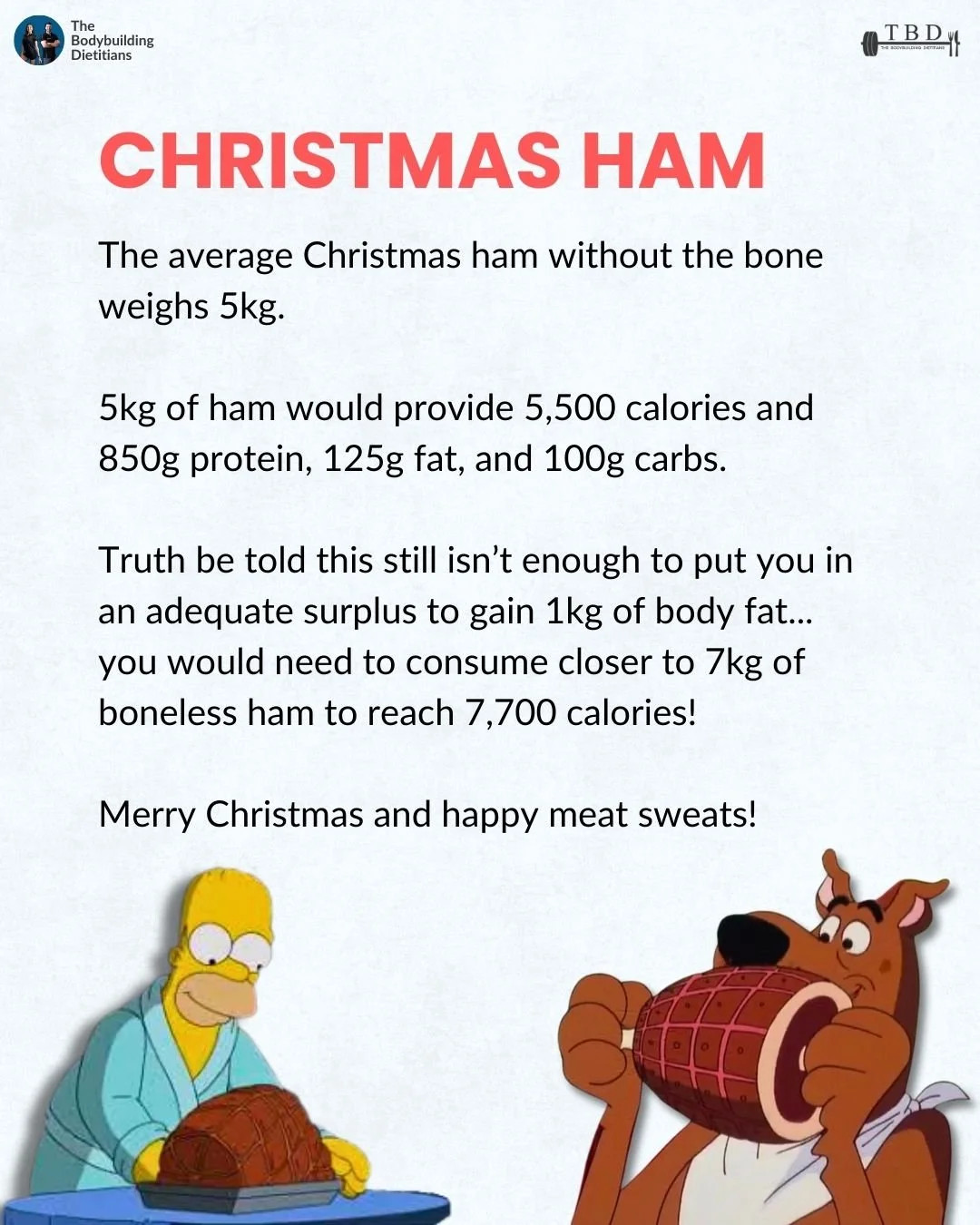
7kg of boneless ham
44 slices of pavlova
52 bottles of beer
308 tiger prawns
Over 2500 cherries
Of course, Christmas meals can be calorie-dense, but the sheer volume of food required to accumulate 1kg of fat in a single day is far beyond what most people could, or would, realistically eat.
This is why the spike you see on the scale the morning after Christmas is almost never fat gain. This leads us to the next key point.
Why your weight increases after Christmas (and why it’s not fat)
Short-term weight changes come from several factors that have nothing to do with fat gain:
Increased food volume
Higher carbohydrate intake, more glycogen, more water retention
Higher salt intake causing fluid shifts
Later meals and larger meal sizes
Alcohol consumption affecting hydration and digestion
These fluctuations are normal, temporary, and self-correcting. They are not a reflection of body fat gain, nor do they undo the consistency of the previous 364 days of the year.
The real damage comes from the psychological spiral, not the food
The most common setback after Christmas isn’t the calories, it’s the overcorrection that follows:
Going overly restrictive
Punishing yourself with excessive cardio
Skipping meals
Feeling guilty and “starting over” harshly
This cycle is unnecessary and counterproductive. Instead, shift the focus.
How to navigate the holiday season without stress
You don’t need to be rigid, but you also don’t need to abandon structure entirely. A middle-ground approach works best:
Have structure before and after big events (consistent meals, balanced macros, hydration, movement)
Eat mindfully on the day, without policing yourself harshly
Prioritise protein, fibre, and satisfying meals early on
Choose your favourites intentionally instead of grazing unconsciously
Release guilt, it serves no physiological purpose
Most importantly…
You’re allowed to make choices that align with your goals
Whether you want to enjoy everything freely or you prefer a more intentional approach…
Both are valid, both deserve respect, and you don’t owe anyone an explanation.
Communicate your preferences with confidence. Fuel your body in a way that supports your physical, mental, and social health.
Zoom out, your long-term results are built across months, not days
The data is clear: one day doesn’t change your body composition. Consistency does.
Christmas Day is a celebration, not a threat to your progress.
So give yourself permission to enjoy the season without fear, your goals will still be there when the holidays end.
If you want expert guidance navigating nutrition through the holidays, dieting phases, or physique goals, our team works with clients worldwide. For structured, evidence-based support that fits your lifestyle — enquire with us below!