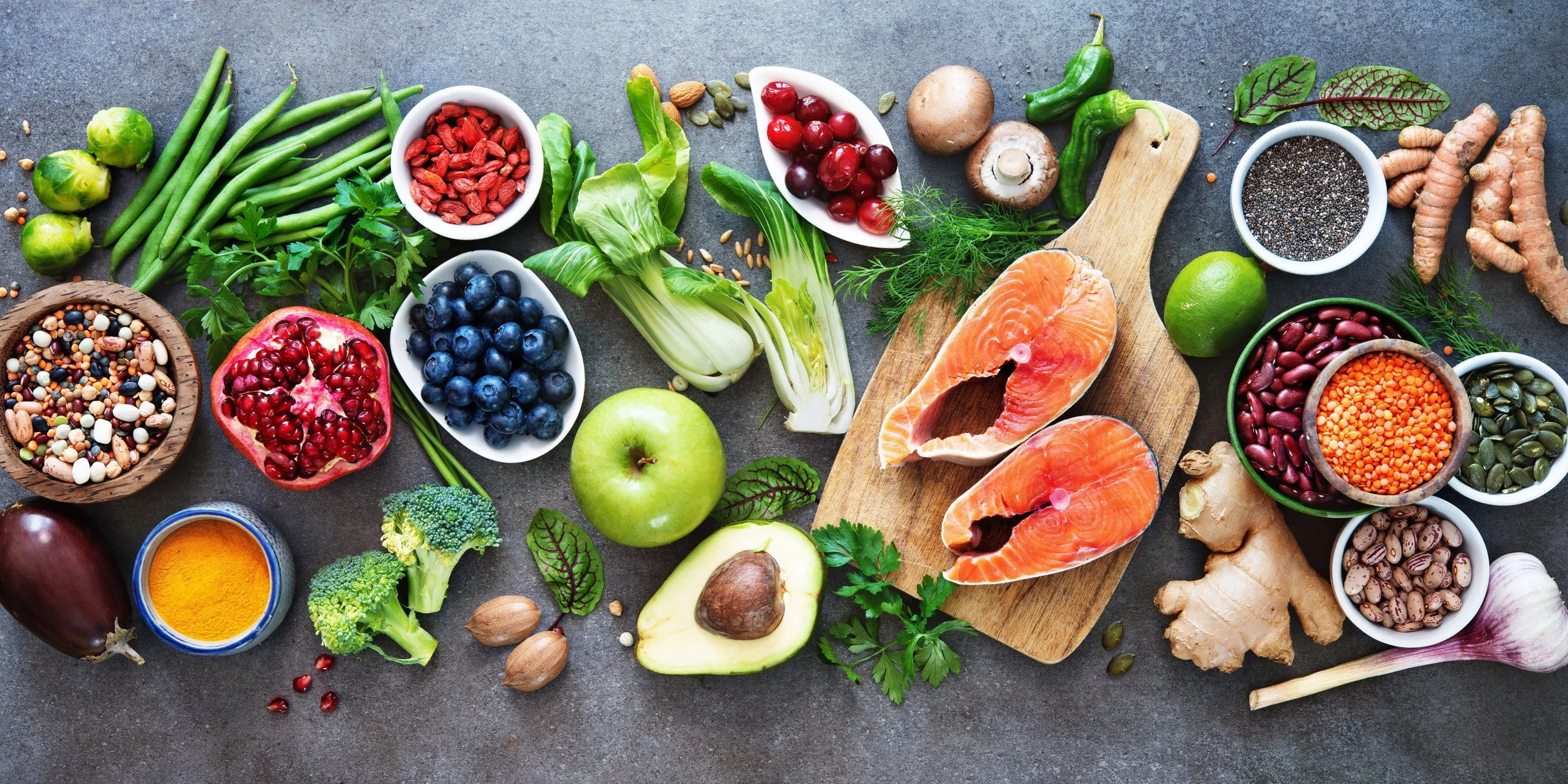
One of the most frequently touted words in the health and fitness industry is “diet”. With this, it’s common to hear “which diet are you on?” or “what’s the best diet?”. Now, we understand and appreciate that this is with good reason, as the word diet is used in reference to an individual’s nutritional intake. However, a potential issue with the word “diet” is that it often suggests an individual’s eating patterns will be short-lived in attempt to achieve a specific outcome.
How To Consume Enough Dietary Fibre
The Australian Dietary Guidelines
The Australian Dietary Guidelines are exactly what they say, guidelines! They were constructed as a framework for healthy eating for the general population to prevent chronic disease. Remember, these guidelines have been generalised for the entire population and therefore are not intended for people who require specific dietary advice.
Let's Clear The Confusion Arounds FODMAPs
Muscular Failure vs Mechanical Failure
Just Because A Food Contains A Nutrient, It Does Not Mean It's A "Good Source" Of That Nutrient
"I've Done My Research" Usually Means "I've Done My Googling"
According to the Australian Research Council, research is defined as “The creation of new knowledge and/or the use of existing knowledge in a new and creative way so as to generate new concepts, methodologies, inventions and understandings. This could include synthesis and analysis of previous research to the extent that it is new and creative.”
Can You Burn More Energy With Brown Fat?
Brown adipose tissue (BAT), also known as brown fat, is found in much smaller amounts compared to our standard white fat, located deep within the torso and neck. As we know, the role of white fat is to store excess energy which can then be used at a later point. Contrastingly, the job of brown fat is to produce heat when our body is cold, therefore expending energy. Surely then, if we have more brown fat, we can lose more weight?